
shell
ผู้เยี่ยมชม
benducket3211@gmail.com
How Can K-12 AV Solutions Improve Classroom Learning and Build Smarter Educational Environments? (21 อ่าน)
29 ต.ค. 2569 13:41
Education is changing as schools adopt modern technology to improve teaching methods, student engagement, and classroom communication. K-12 AV solutions are becoming an important part of this transformation because they help primary and secondary schools create interactive, accessible, and technology-enabled learning environments. These solutions combine audio-visual equipment, digital displays, classroom sound systems, interactive whiteboards, and video conferencing technology to support effective teaching.
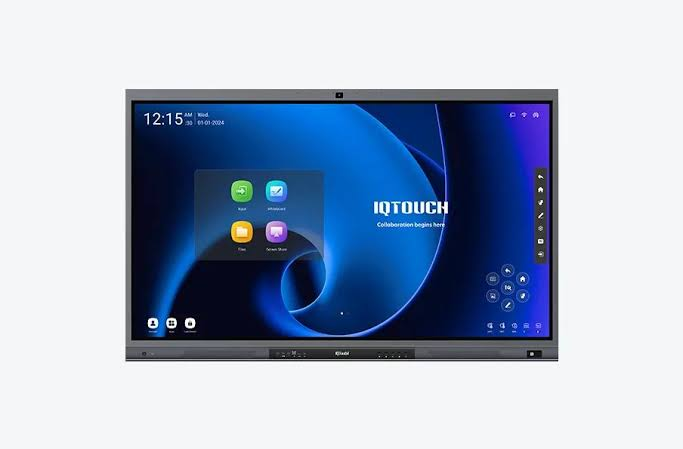
K-12 education covers kindergarten through grade 12, including elementary, middle, and high school. Students at these levels have different learning needs, making it important for schools to provide tools that help teachers explain concepts clearly and encourage participation. Modern classroom AV systems allow educators to combine traditional teaching methods with digital presentations, educational videos, animations, and interactive learning activities.
Schools can use K-12 AV solutions in classrooms, libraries, science laboratories, auditoriums, computer labs, and multipurpose learning spaces. These technologies help teachers share information with entire classes while supporting group activities and digital collaboration. They can also connect students with online educational resources and remote learning opportunities.
A well-planned audio-visual system can improve the learning experience without making classroom activities unnecessarily complicated. By selecting reliable equipment and providing appropriate staff training, schools can build flexible learning environments that support students, teachers, and administrators.
Essential K-12 AV Equipment for Modern Schools
K-12 AV solutions include different types of equipment designed to improve communication, presentation quality, and student participation. The best combination depends on the school's age groups, classroom sizes, teaching requirements, and available technology budget.
Interactive displays and smart boards are widely used in modern educational environments. These screens allow teachers to write notes, display educational videos, present diagrams, and interact with digital learning applications. Students can participate in lessons by answering questions, solving problems, and working with digital content directly on the screen. Interactive classroom displays are particularly useful for mathematics, science, language learning, and other subjects that benefit from visual explanations.
Projectors and large-format displays provide another effective way to present educational content. Teachers can display presentations, videos, digital textbooks, and diagrams that remain visible to students throughout the classroom. Schools can choose projection systems for larger spaces or interactive displays for rooms that require direct screen interaction. Display brightness, image resolution, viewing distance, and room lighting should all be considered when selecting the appropriate equipment.
Classroom audio systems are equally important for effective communication. Speakers and microphones help teachers deliver lessons clearly, particularly in larger classrooms where students may struggle to hear instructions. Ceiling speakers, wall-mounted speakers, and wireless microphones can provide suitable audio coverage when positioned correctly. In school auditoriums and multipurpose halls, more advanced sound systems may be required for assemblies, performances, presentations, and school events.
Document cameras support practical demonstrations by allowing teachers to display books, printed materials, handwritten notes, diagrams, and physical objects on a large screen. This technology is useful for explaining mathematical problems, demonstrating science experiments, and presenting detailed educational materials. Students can observe demonstrations from their seats without gathering around a teacher's desk.
Video conferencing systems have also become valuable components of K-12 AV technology. Cameras, microphones, displays, and conferencing software allow schools to organize virtual lessons, connect with guest speakers, and communicate with students learning remotely. These systems can support distance education and collaborative activities between classrooms in different locations.
In addition, centralized AV control systems can simplify the operation of multiple classroom devices. Teachers may be able to control displays, projectors, speakers, and connected computers through one interface. This reduces the need to manage separate controls and helps educators begin lessons with fewer technical interruptions.
Benefits of K-12 AV Solutions for Students and Teachers
One of the most significant benefits of K-12 AV solutions is their ability to make lessons more engaging. Students often respond differently to various teaching methods, and audio-visual technology gives educators more ways to present information. For example, a science teacher can use animations to explain the solar system, while a history teacher can display maps, photographs, and educational videos to provide context for historical events.
Interactive learning technology can also encourage students to participate more actively. Digital quizzes, interactive whiteboards, and collaborative presentations create opportunities for students to respond to questions and demonstrate their understanding. These activities can help teachers recognize learning difficulties and adjust their explanations when additional support is needed.
Another advantage is improved classroom communication. Clear sound systems help students hear instructions, while large displays make educational materials easier to read. These improvements can be particularly helpful in larger classrooms and shared learning spaces. When students can see and hear lesson content clearly, they have a better opportunity to follow explanations and remain focused.
K-12 AV technology can also help teachers organize their lessons more efficiently. Digital presentations can be prepared in advance, saved for future classes, and updated when educational requirements change. Teachers can move between slides, videos, websites, and interactive activities without repeatedly preparing physical materials. Some systems also support lesson recording, allowing students to review content later when recording is permitted under school policies.
Accessibility is another important benefit. Captions, adjustable volume, screen magnification, and compatibility with assistive technologies can help accommodate students with different learning needs. Schools should consider accessibility when choosing classroom audio-visual equipment so that more students can participate comfortably in educational activities.
Beyond individual classrooms, K-12 AV solutions support collaboration throughout the school. Libraries can use digital displays to provide educational information, laboratories can show experimental procedures, and auditoriums can host presentations and school events. Video conferencing can connect students with educators and subject experts from other locations, expanding learning opportunities beyond the physical classroom.
Modern AV technology can also support digital literacy. Students who regularly work with presentations, interactive applications, and virtual learning platforms gain opportunities to develop technology skills that are useful in further education and future employment. When teachers integrate these tools thoughtfully, technology becomes a practical part of learning rather than a distraction.
Selecting Reliable K-12 AV Solutions for Long-Term Success
Choosing the right K-12 AV solutions requires schools to evaluate their current needs and future educational goals. Classroom size, student numbers, teaching methods, existing infrastructure, and available budgets all influence equipment selection. An elementary classroom may benefit from a simple interactive display and reliable speakers, while a high school science laboratory may require specialized displays, document cameras, and additional connectivity.
Budget planning should include the full cost of ownership. Schools need to consider equipment prices, installation, mounting hardware, cabling, software subscriptions, maintenance, staff training, and future upgrades. Selecting equipment only because it has a low purchase price can lead to additional expenses if the system does not meet classroom requirements or requires frequent repairs.
Compatibility is another important factor. Displays, projectors, computers, microphones, and video conferencing platforms should work together reliably. Schools should review connection options, wireless presentation capabilities, network requirements, and compatibility with existing devices. Flexible technology can simplify future upgrades and help institutions avoid replacing complete systems when individual components become outdated.
Professional AV installation can improve both system performance and classroom safety. Displays should be visible from different seating positions, speakers should provide balanced sound coverage, and cables should be secured to prevent accidents. Wireless devices should be tested for reliable connectivity, while network-connected equipment should be configured appropriately. Experienced AV specialists can help schools design systems that suit the layout and purpose of each learning space.
Staff training and regular maintenance are equally important. Teachers should understand the basic operation of displays, microphones, projectors, and connected devices. Technical staff should inspect connections, test equipment, apply necessary software updates, and follow manufacturer maintenance recommendations. Simple operating procedures and accessible technical support can reduce classroom disruptions.
Schools must also consider cybersecurity and student privacy. Connected classroom devices, video conferencing platforms, and recording systems may handle sensitive educational information. Strong access controls, secure network configurations, updated software, and clear recording policies can help protect students and staff. Technology purchases should also consider product warranties, manufacturer support, expected equipment lifespan, and accessibility requirements.
By taking a long-term approach, schools can develop an AV infrastructure that supports changing educational needs. Standardizing equipment across classrooms where appropriate can simplify teacher training, technical support, and maintenance while creating a more consistent learning experience.
Conclusion
K-12 AV solutions are helping schools improve classroom communication, encourage student participation, and create more interactive educational environments. Interactive displays, projectors, sound systems, document cameras, video conferencing equipment, and centralized controls provide teachers with practical tools for delivering engaging lessons across different subjects and grade levels.
The success of these technologies depends on choosing appropriate equipment, planning installation carefully, maintaining systems regularly, and providing teachers with the training they need. Schools should also consider accessibility, cybersecurity, compatibility, and long-term costs when investing in educational AV technology.
43.242.176.100
shell
ผู้เยี่ยมชม
benducket3211@gmail.com