
shell
ผู้เยี่ยมชม
benducket3211@gmail.com
Could Seamless Steel Pipe Improve the Strength and Reliability of Modern Piping Systems? (59 อ่าน)
21 ส.ค. 2569 17:22
Seamless steel pipe has become an essential material in many industrial and commercial applications where strength, durability, and dependable performance are important. Unlike welded steel pipe, seamless steel pipe is manufactured without a longitudinal welded joint, giving it a continuous structure throughout its length. This characteristic makes seamless pipe particularly valuable for systems exposed to high pressure, elevated temperatures, mechanical stress, and demanding operating environments.
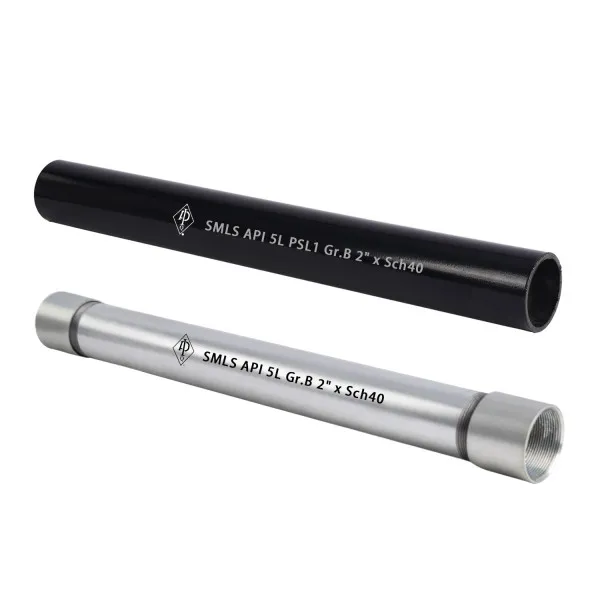
Modern industries rely on high-quality piping to transport water, oil, gas, steam, chemicals, and other fluids safely and efficiently. From oil refineries and power plants to construction sites and manufacturing facilities, seamless steel pipe provides a practical solution for numerous applications. Depending on project requirements, buyers can select carbon steel seamless pipe, alloy steel seamless pipe, or stainless steel seamless pipe, each offering different performance characteristics.
As industrial infrastructure continues to expand, demand for reliable steel piping remains strong. Understanding the properties, applications, grades, sizes, standards, and selection factors associated with seamless steel pipe can help businesses and engineers make better purchasing and design decisions.
Seamless Steel Pipe Structure and Industrial Strength
The manufacturing process gives seamless steel pipe several important characteristics. Production generally begins with a solid steel billet that is heated and pierced to create a hollow tube. The pipe is then processed to achieve the required diameter, wall thickness, length, and mechanical properties. Because there is no welded seam running along the pipe body, the resulting product has a continuous structure.
This construction is especially useful for applications where internal pressure and mechanical loads are significant. Seamless steel pipe can provide strong resistance to pressure and help maintain structural stability when used within its specified operating limits. The absence of a welded joint also eliminates the need to manage a longitudinal weld as a potential area of concern, although overall pipe quality still depends on manufacturing, material grade, testing, and proper installation.
Carbon steel seamless pipe is widely used because carbon steel offers a strong balance between performance and cost. It is commonly found in industrial fluid transportation, mechanical systems, construction applications, and general-purpose piping. Alloy steel seamless pipe contains additional alloying elements that can improve certain properties, making it suitable for more demanding temperature and pressure conditions.
Stainless steel seamless pipe is commonly selected when corrosion resistance is a major consideration. Its resistance to many corrosive environments makes it useful in chemical processing, food production, pharmaceutical facilities, marine applications, and other specialized industries. Selecting the appropriate material depends on the environment, operating temperature, pressure, transported medium, and expected service life.
Seamless Steel Pipe Grades, Sizes, and Standards
Seamless steel pipe is available in a wide range of grades and dimensions to meet different engineering requirements. Carbon steel, alloy steel, and stainless steel grades can each serve different purposes. The appropriate grade should be selected according to mechanical properties, temperature requirements, corrosion exposure, pressure conditions, and applicable industry regulations.
Industry standards provide an important framework for manufacturing and quality control. ASTM and ASME specifications are widely referenced for different steel pipe products, while API standards are particularly important in oil and gas applications. These standards may define requirements for chemical composition, mechanical strength, dimensions, manufacturing processes, testing, and inspection.
ASTM A106 seamless carbon steel pipe is a well-known specification associated with high-temperature service. Other seamless pipe specifications are designed for different applications and operating conditions. Buyers should carefully review the required standard rather than assuming that all seamless steel pipes are interchangeable.
Pipe dimensions also have a direct impact on system performance. Outside diameter, nominal pipe size, wall thickness, schedule, and length are commonly considered during specification. The correct dimensions depend on system pressure, flow requirements, structural loading, connection methods, and installation conditions.
Quality testing is another important part of seamless steel pipe manufacturing. Depending on the specification and application, products may undergo chemical analysis, tensile testing, hardness testing, hydrostatic testing, dimensional inspection, and other examinations. Documentation such as material test certificates can help confirm that the supplied pipe meets the required technical specifications.
Seamless Steel Pipe Applications Across Major Industries
The versatility of seamless steel pipe allows it to serve many industries. Oil and gas companies use seamless piping in demanding environments where pressure, temperature, and mechanical stress can be significant. Applications can include processing facilities, transportation systems, drilling-related equipment, and other energy infrastructure.
Power generation is another important sector. Power plants use steel piping in steam systems, boilers, heat exchangers, and other high-temperature applications. In these environments, selecting an appropriate alloy steel seamless pipe grade can be important for maintaining reliable performance under elevated temperatures.
Petrochemical and chemical processing facilities also depend on high-quality steel pipe for transporting process fluids. These systems may involve corrosive substances, high pressure, and changing temperatures, making material selection a critical engineering consideration. Stainless steel or specialized alloy seamless pipe may be selected when additional resistance to corrosion or heat is required.
Mechanical engineering applications include hydraulic systems, machinery components, industrial equipment, automotive manufacturing, and other systems that require strong tubular materials. Seamless steel pipe can also be used in structural applications where its strength and dimensional characteristics are suitable for the project.
Construction and infrastructure projects can benefit from seamless steel pipe as well. Depending on the grade and design, steel piping may be used for utility systems, structural components, industrial facilities, and specialized mechanical installations. Proper coating, protection, and maintenance can help extend the service life of carbon steel piping in environments where corrosion is a concern.
Seamless Steel Pipe Selection for Long-Term Performance
Choosing seamless steel pipe should involve more than comparing prices between suppliers. The pipe must match the technical requirements of the intended system. Pressure, temperature, fluid composition, corrosion conditions, dimensions, connection requirements, and applicable standards all influence the final selection.
Wall thickness is particularly important because it affects pressure resistance and overall structural strength. Engineers must determine suitable dimensions based on the operating conditions and relevant design codes. Choosing an unsuitable wall thickness can negatively affect system reliability, while excessive material can increase weight and project costs.
Corrosion exposure is another consideration. Carbon steel seamless pipe can perform effectively in many applications when appropriate protection and maintenance are provided. Stainless steel seamless pipe may be more suitable for environments where corrosion resistance is a priority. Alloy steel can provide specialized performance for elevated-temperature or mechanically demanding applications.
The reputation of the manufacturer or supplier also matters. A dependable seamless steel pipe manufacturer should be able to provide consistent dimensions, suitable material grades, quality documentation, and testing records. Reliable sourcing can help reduce project delays and minimize the risk of receiving products that fail to meet required specifications.
Long-term value should also be considered. A high-quality seamless steel pipe may offer dependable service over an extended period when correctly selected and maintained. Considering durability, installation, maintenance, operating conditions, and expected service life can provide a more accurate picture of overall project value than purchase price alone.
Conclusion
Seamless steel pipe remains a highly valuable material for industries that require durable and dependable piping solutions. Its continuous construction, broad range of grades, and availability in different dimensions make it suitable for applications involving pressure, temperature, mechanical loads, and demanding service environments.
From carbon steel seamless pipe used in general industrial systems to alloy steel seamless pipe for specialized high-temperature applications and stainless steel seamless pipe for corrosion-resistant environments, there are options for a wide variety of engineering requirements. Understanding material grades, dimensions, standards, testing procedures, and operating conditions is essential for making the right selection.
43.242.176.24
shell
ผู้เยี่ยมชม
benducket3211@gmail.com