
shell
ผู้เยี่ยมชม
benducket3211@gmail.com
Could Seamless Steel Pipe Be the Right Solution for High-Pressure Industrial Systems? (98 อ่าน)
21 ส.ค. 2569 17:19
Seamless steel pipe is a widely used industrial piping material known for its strength, durability, and dependable performance in demanding environments. Manufactured without a welded longitudinal seam, this type of steel pipe provides a continuous structure that makes it suitable for applications involving high pressure, elevated temperatures, mechanical stress, and demanding operating conditions. From oil and gas facilities to power generation plants, chemical processing units, construction projects, and mechanical engineering, seamless steel pipe plays an important role in modern infrastructure.
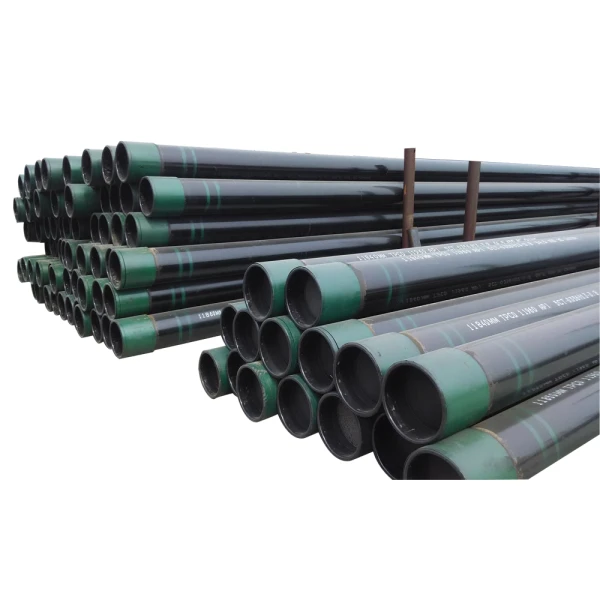
The demand for high-quality seamless steel pipe continues to grow as industries require piping systems that can operate safely and efficiently for long periods. Depending on the application, buyers can choose from carbon steel seamless pipe, alloy steel seamless pipe, and stainless steel seamless pipe. Each material offers different characteristics, making proper grade and specification selection an important part of any industrial project.
Seamless Steel Pipe Performance in Industrial Applications
Seamless steel pipe is produced from a solid steel billet that is heated and formed into a hollow cylindrical shape. Unlike welded steel pipe, the manufacturing process does not require a welded joint along the pipe body. This continuous construction can provide excellent structural consistency and make seamless pipe suitable for applications where pressure resistance and mechanical strength are important.
Carbon steel seamless pipe is among the most commonly used options because it provides a practical combination of strength, durability, and cost efficiency. It is frequently used for transporting water, oil, gas, steam, and other fluids in industrial systems. For higher-temperature applications, alloy steel seamless pipe can offer improved mechanical performance and resistance to heat-related stress.
Stainless steel seamless pipe is another important option for specialized environments. Stainless steel contains chromium and other alloying elements that can improve resistance to corrosion. This makes stainless steel pipe useful in chemical processing, food processing, pharmaceutical facilities, marine environments, and other applications where exposure to moisture or corrosive materials is a concern.
The performance of seamless steel pipe depends on much more than the absence of a welded seam. Steel grade, chemical composition, wall thickness, outside diameter, manufacturing quality, heat treatment, and operating conditions all influence the final performance of the pipe. For this reason, industrial buyers should select products according to the technical requirements of their specific system.
Seamless Steel Pipe Grades and Manufacturing Standards
Different industrial applications require different grades and specifications of seamless steel pipe. Carbon steel grades are commonly selected for general-purpose piping, while alloy steel grades can be used in high-temperature and high-pressure environments. Stainless steel grades are often selected when corrosion resistance and long-term durability are important priorities.
Recognized standards help manufacturers and buyers maintain consistency in pipe quality and technical requirements. ASTM, ASME, API, and other industry standards can specify requirements related to dimensions, chemical composition, tensile strength, yield strength, testing, manufacturing processes, and allowable applications.
ASTM A106 seamless carbon steel pipe, for example, is commonly associated with high-temperature service. Other specifications may be selected for different pressure ratings, temperatures, mechanical requirements, or industrial environments. The correct standard should always match the intended application rather than being selected only according to price or availability.
Pipe size is another major consideration. Seamless steel pipe can be manufactured in different nominal sizes, outside diameters, and wall thicknesses. Schedule numbers are often used to describe wall thickness for many piping systems. The required dimensions depend on factors such as fluid flow, operating pressure, temperature, system design, and installation requirements.
Quality assurance is also essential during seamless steel pipe production. Manufacturers may perform dimensional inspections, chemical analysis, mechanical testing, hydrostatic testing, and other examinations to verify that products meet the required specifications. Material test certificates and inspection documentation can provide important information for engineers and procurement teams evaluating industrial piping materials.
Seamless Steel Pipe Uses in Modern Industries
Seamless steel pipe has applications across many sectors because of its combination of strength and versatility. In the oil and gas industry, seamless pipe can be used in processing systems, pipelines, drilling-related equipment, and high-pressure applications. The ability to handle demanding operating conditions makes it a valuable material for energy infrastructure.
Power generation is another major application. Seamless steel pipes are used in boiler systems, steam lines, heat exchangers, and other equipment where high temperature and pressure can affect piping performance. Alloy steel seamless pipe is often considered for applications requiring improved performance under elevated temperatures.
In petrochemical and chemical processing facilities, seamless pipe can transport liquids, gases, and process materials between different parts of a plant. Material selection is particularly important in these environments because the pipe may encounter aggressive chemicals, temperature changes, and high operating pressures.
Mechanical engineering and manufacturing also make extensive use of seamless steel pipe. Depending on the grade and dimensions, it can be incorporated into hydraulic systems, machinery, automotive components, industrial equipment, and structural applications. Its consistent cylindrical structure and mechanical strength make it suitable for components that must withstand repeated loading.
Construction projects may also use seamless steel pipe for structural and utility applications. Heavy-duty steel piping can provide long-term durability when properly specified, installed, and maintained. In environments exposed to moisture or corrosive conditions, stainless steel seamless pipe may provide additional protection against corrosion.
Seamless Steel Pipe Selection and Long-Term Value
Selecting the right seamless steel pipe requires careful consideration of the complete operating environment. Pressure, temperature, fluid characteristics, corrosion exposure, pipe dimensions, installation conditions, and applicable standards should all be evaluated before purchasing.
Wall thickness is particularly important because it influences the pipe's ability to withstand internal pressure and external mechanical forces. A pipe that is too thin may not provide the required performance, while an unnecessarily thick pipe can increase material costs and weight. Engineers generally determine the appropriate dimensions according to the system design and applicable standards.
Corrosion resistance should also be considered when choosing between carbon steel, alloy steel, and stainless steel. Carbon steel seamless pipe can be highly effective for many applications when suitable corrosion protection is provided. Stainless steel seamless pipe may be more appropriate when the operating environment presents significant corrosion risks.
Supplier quality is another important factor. A reliable seamless steel pipe manufacturer should be able to provide consistent products, accurate dimensions, appropriate certifications, and technical documentation. Purchasing from an experienced supplier can reduce the risk of receiving material that does not meet project specifications.
Cost should not be evaluated only through the initial purchase price. Pipe quality, expected service life, maintenance requirements, installation costs, and operating conditions can all influence the overall value of a piping solution. A properly selected seamless steel pipe can contribute to reliable operation and reduced maintenance requirements over the long term.
Conclusion
Seamless steel pipe is a dependable and versatile material for industrial applications that require strength, durability, and reliable pressure performance. Its continuous construction makes it particularly useful for demanding systems in oil and gas, power generation, petrochemical processing, construction, mechanical engineering, and manufacturing.
Carbon steel seamless pipe offers an efficient solution for many general industrial applications, while alloy steel seamless pipe provides enhanced properties for specialized high-temperature services. Stainless steel seamless pipe is an attractive choice for environments where corrosion resistance is especially important.
43.242.176.24
shell
ผู้เยี่ยมชม
benducket3211@gmail.com