
shell
ผู้เยี่ยมชม
benducket3211@gmail.com
Are Permanent Mechanical Fasteners the Best Choice for Strong, Durable, and Long-Lasting Assemblies? (111 อ่าน)
26 ก.ค. 2569 16:53
Permanent connections are essential in industries where safety, reliability, and structural integrity cannot be compromised. Permanent mechanical fasteners are widely used in manufacturing, construction, aerospace, automotive, marine, and heavy engineering because they create secure joints that remain intact throughout the product's service life. Unlike removable fasteners such as screws and bolts, permanent fastening solutions are designed to provide maximum stability while resisting vibration, heavy loads, and harsh environmental conditions.
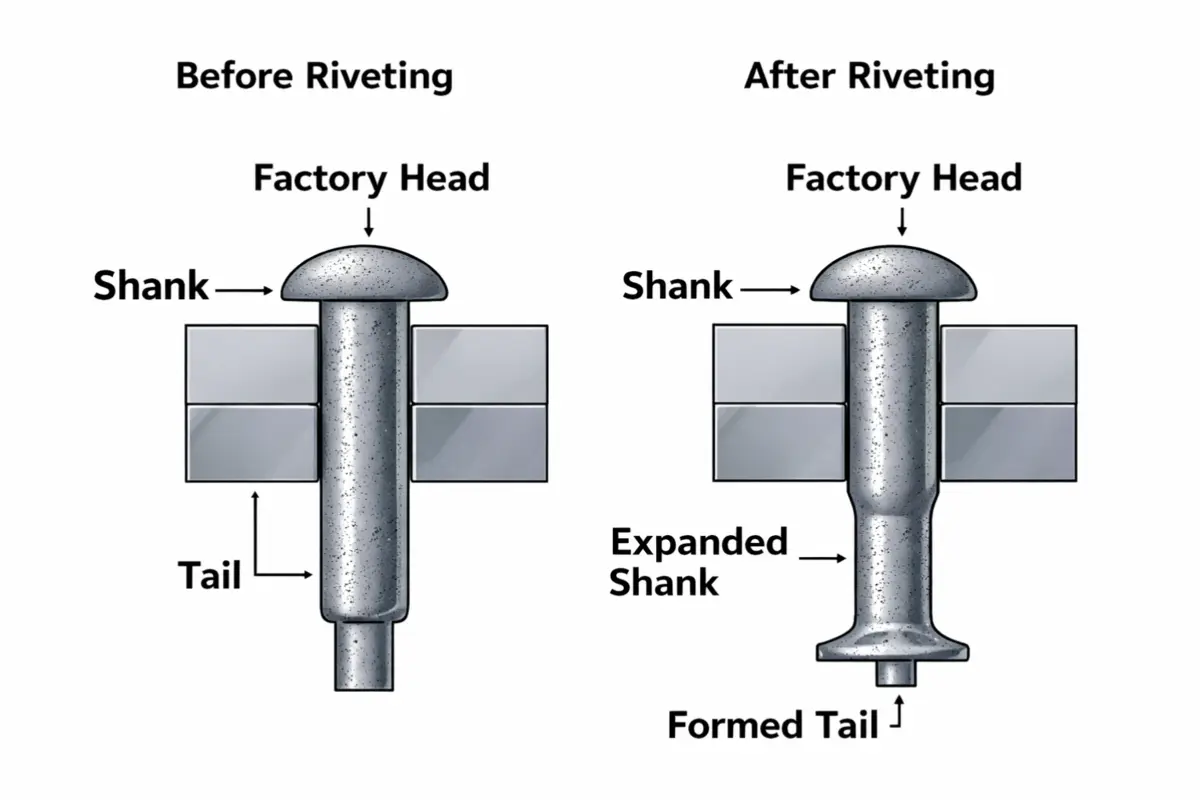
Modern engineering relies on permanent mechanical fastening methods to improve product durability and reduce maintenance requirements. Rivets, clinch fasteners, drive pins, solid rivets, blind rivets, and other permanent joining solutions are selected based on the materials being assembled, load requirements, and operating conditions. Choosing the appropriate fastening system helps manufacturers produce stronger products while improving efficiency and reducing long-term repair costs.
As industries continue to demand lightweight yet highly durable structures, permanent mechanical fasteners remain one of the most trusted joining technologies. Their ability to provide consistent performance without loosening over time makes them suitable for applications ranging from aircraft fuselages to industrial machinery and architectural structures.
Permanent Mechanical Fasteners Across Modern Industries
The popularity of permanent mechanical fasteners continues to grow because they provide dependable performance in demanding environments. These fastening systems permanently join two or more components by deforming or locking the fastener into place, making removal difficult without damaging either the fastener or the assembled materials. This characteristic offers significant advantages where structural reliability is critical.
Rivets remain among the most widely recognized permanent fasteners. Solid rivets are commonly used in aerospace manufacturing due to their exceptional strength and fatigue resistance. Blind rivets simplify installation when access is available from only one side of the workpiece, making them ideal for sheet metal fabrication, HVAC systems, transportation equipment, and household appliances. Structural rivets are designed for heavy-duty applications where high shear strength and vibration resistance are essential.
Permanent fastening solutions are also widely used in automotive manufacturing. Vehicle frames, body panels, braking systems, and interior assemblies often rely on permanent mechanical joints to improve durability while reducing overall vehicle weight. In construction projects, these fasteners help maintain the stability of steel frameworks, bridges, industrial buildings, and infrastructure exposed to continuous mechanical stress.
Marine engineering presents another environment where permanent fastening systems perform exceptionally well. Stainless steel permanent fasteners resist corrosion caused by saltwater while maintaining structural integrity over extended periods. Industrial equipment operating in chemical processing plants also benefits from corrosion-resistant permanent fasteners capable of withstanding aggressive substances and challenging operating conditions.
Material Selection and Joint Performance
Selecting the appropriate materials is one of the most important aspects of using permanent mechanical fasteners successfully. The fastener material should be compatible with the workpiece to minimize galvanic corrosion while maximizing joint durability. Aluminum fasteners are commonly selected for lightweight assemblies because they offer excellent corrosion resistance and reduce total product weight. These characteristics make them particularly valuable in transportation, electronics, and aerospace applications.
Steel fasteners provide outstanding tensile strength and are preferred for structural engineering, heavy machinery, and industrial fabrication where maximum load capacity is required. Stainless steel permanent fasteners combine excellent strength with superior corrosion resistance, making them ideal for outdoor construction, marine equipment, food processing facilities, and medical devices. Copper and brass fasteners are frequently used in decorative products and electrical systems due to their conductivity and attractive appearance.
Proper fastener dimensions also influence joint quality. Diameter, length, grip range, and installation method must match the design specifications to achieve optimal performance. Oversized fasteners may damage surrounding materials during installation, while undersized fasteners may fail under mechanical loading. Engineers carefully evaluate tensile strength, shear strength, fatigue resistance, and vibration tolerance before selecting permanent fastening systems for demanding applications.
Installation techniques contribute significantly to fastening performance. Manual tools remain suitable for smaller repair projects, while pneumatic, hydraulic, and automated installation systems improve speed, consistency, and accuracy in large-scale manufacturing. Proper installation ensures the fastener develops its full holding capacity while minimizing production defects.
Long-Term Advantages of Permanent Mechanical Fasteners
The widespread adoption of permanent mechanical fasteners is driven by their ability to provide long-lasting performance with minimal maintenance. Once installed correctly, these fastening systems resist loosening caused by vibration, thermal expansion, repeated loading, and environmental changes. This reliability makes them indispensable in industries where product failure could result in costly repairs or safety risks.
Manufacturers also appreciate the efficiency offered by permanent fastening systems. Automated assembly lines can install thousands of permanent fasteners quickly while maintaining consistent quality throughout production. This reduces manufacturing time, improves productivity, and lowers labor costs without sacrificing structural performance.
Another significant benefit involves product longevity. Permanent joints distribute loads evenly across connected materials, reducing localized stress concentrations that may lead to cracking or fatigue. This contributes to longer service life and improved overall product reliability. Industries focused on sustainable manufacturing also benefit because durable products require fewer replacements, reducing material consumption and maintenance expenses over time.
Continuous advancements in fastening technology have introduced stronger alloys, improved corrosion-resistant coatings, and innovative fastening designs capable of supporting increasingly demanding engineering requirements. These developments allow permanent mechanical fastening systems to remain competitive alongside welding, adhesives, and other joining methods while offering greater flexibility for many manufacturing applications.
Conclusion
Permanent mechanical fasteners play a vital role in creating strong, secure, and reliable assemblies across numerous industries. Their ability to withstand vibration, heavy loads, corrosion, and long-term mechanical stress makes them an essential solution for aerospace, automotive, construction, marine, and industrial manufacturing. By selecting compatible materials, proper fastener sizes, and suitable installation methods, manufacturers can achieve durable joints that perform consistently throughout the product's lifespan. As engineering standards continue to evolve, permanent mechanical fasteners will remain a trusted choice for building safe, efficient, and long-lasting structures that meet the highest expectations for quality and performance.
43.242.176.24
shell
ผู้เยี่ยมชม
benducket3211@gmail.com