
shell
ผู้เยี่ยมชม
benducket3211@gmail.com
Is ERW Steel Pipe the Smartest Choice for Modern Industrial Projects? (278 อ่าน)
16 พ.ค. 2569 18:08
ERW steel pipe has become one of the most commonly used piping solutions in industrial and commercial sectors because of its strength, precision, and cost efficiency. The term ERW refers to Electric Resistance Welded pipe, which is manufactured using a specialized welding process that creates a durable and reliable steel pipe structure. Industries around the world depend on ERW pipe for applications involving water transportation, oil and gas systems, construction, mechanical engineering, and infrastructure development.
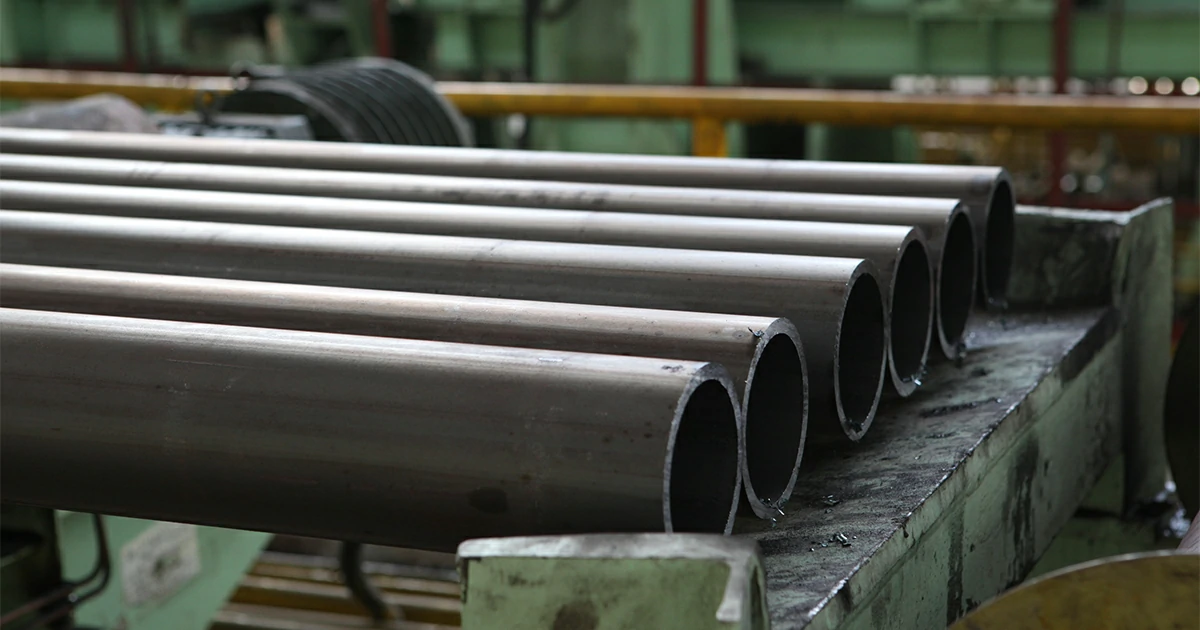
The production process of ERW steel pipe begins with high-quality steel coils that are carefully shaped into a cylindrical form. The edges of the steel strip are heated using electrical resistance and fused together under pressure. Unlike traditional welding methods, this process does not require additional filler material, which helps maintain a smooth and consistent pipe structure. The result is a steel pipe with accurate dimensions, strong weld integrity, and excellent mechanical performance.
Modern ERW pipe manufacturers use advanced automated machinery to ensure precise production and consistent quality. Pipes undergo multiple inspection procedures including hydrostatic testing, ultrasonic testing, and dimensional verification to meet international standards. ASTM ERW pipe specifications are widely followed in industrial manufacturing to guarantee safety and long-term durability.
Carbon steel ERW pipe is among the most popular choices because it combines affordability with high structural strength. Galvanized ERW steel pipe is also widely used in outdoor and underground applications because protective zinc coatings improve corrosion resistance and increase service life. Industries requiring lightweight yet durable piping systems often choose ERW tubing because it provides dependable performance at a competitive cost.
The global demand for electric resistance welded pipe continues to rise due to rapid urbanization and industrial growth. From transportation networks to industrial processing plants, ERW steel products have become an essential component of modern engineering projects worldwide.
ERW Pipe Industrial Applications
ERW pipe is used across a wide range of industries because of its flexibility and durability. In the construction sector, structural ERW steel pipe is commonly used for building frameworks, bridges, fencing systems, and support structures. The consistent wall thickness and smooth surface finish make these pipes suitable for both residential and commercial infrastructure projects.
The oil and gas industry also depends heavily on ERW steel tubing for pipeline transportation systems. These pipes are capable of handling medium and high-pressure applications while maintaining operational efficiency. Oil transportation pipelines, natural gas distribution systems, and refinery operations frequently use carbon steel ERW pipe because of its reliable mechanical properties and cost-effective installation.
Water supply and drainage systems are another major area where ERW steel pipe is widely used. Municipal water distribution networks, agricultural irrigation systems, and wastewater management facilities require durable piping materials capable of long-term operation. Galvanized ERW pipe is especially suitable for these environments because it offers enhanced resistance against rust and environmental damage.
The automotive industry uses precision ERW tubing for manufacturing vehicle components, steering systems, suspension parts, and hydraulic cylinders. Accurate dimensions and smooth internal surfaces improve operational efficiency and reduce friction in mechanical systems. Furniture manufacturers and industrial equipment producers also rely on ERW steel pipe for lightweight structural applications.
In fire protection systems and boiler installations, ERW steel pipes provide dependable performance under controlled pressure conditions. Industrial facilities often choose welded steel pipe because it offers a practical balance between strength and affordability. Many industries also prefer stainless ERW pipe in environments where corrosion resistance and hygiene standards are important, including chemical plants and food processing facilities.
As industrial infrastructure expands globally, the need for high-quality ERW steel products continues to grow. Manufacturers are now focusing on producing advanced pipe solutions with improved durability, higher tensile strength, and better corrosion protection to meet modern industrial demands.
ERW Pipe Performance Benefits
ERW pipe offers several advantages that make it one of the most practical choices for industrial and commercial applications. One of the most important benefits is cost efficiency. Compared to seamless steel pipe, ERW pipe manufacturing requires less raw material and lower production costs, making it a more economical solution for large-scale projects.
Another major advantage is dimensional accuracy. ERW steel pipes are manufactured with highly precise diameter and wall thickness measurements, ensuring consistency throughout the pipe structure. This accuracy simplifies installation and improves compatibility with industrial fittings and mechanical systems.
Strength and durability are also key reasons behind the popularity of ERW steel tubing. Advanced welding technology creates strong joints capable of handling mechanical stress and moderate pressure conditions effectively. Modern welded steel pipe manufacturing processes ensure reliable weld quality and long service life.
The smooth surface finish of ERW pipe improves fluid transportation efficiency by reducing friction inside the pipeline. This feature makes ERW tubing suitable for water transportation, gas flow systems, and industrial fluid transfer operations. Smooth surfaces also simplify coating and painting processes, improving protection against environmental exposure.
Corrosion resistance can be significantly improved through galvanization and protective coatings. Galvanized ERW steel pipe is widely used in outdoor construction and underground installations because it resists moisture damage and oxidation. Stainless steel ERW pipe provides even greater protection in industries exposed to chemicals and harsh environmental conditions.
Another important benefit is versatility. ERW pipe can be manufactured in different sizes, wall thicknesses, and steel grades to meet specific industrial requirements. This flexibility allows manufacturers and contractors to select the ideal piping solution for various engineering and infrastructure applications.
Conclusion
seamless steel pipe continues to play a vital role in modern industrial development because of its affordability, durability, and reliable performance. Its widespread use in construction, oil and gas transportation, water systems, automotive manufacturing, and industrial engineering highlights its importance in today’s global infrastructure projects. With advanced manufacturing technologies and strict quality control standards, ERW pipe delivers consistent strength and long-term efficiency for a wide range of applications.
Industries looking for practical and cost-effective piping solutions often prefer ERW steel pipe because it offers excellent structural integrity, smooth performance, and versatile applications. As industrial demand continues to increase worldwide, ERW steel products are expected to remain a trusted and essential part of engineering and manufacturing industries for many years ahead.
43.242.176.119
shell
ผู้เยี่ยมชม
benducket3211@gmail.com