
shell
Guest
benducket3211@gmail.com
Is a Mountain Bike the Ultimate Choice for Outdoor Adventure and Trail Riding? (4 views)
20 Aug 2026 18:17
A mountain bike is more than just a bicycle designed for rough roads. It is a versatile outdoor machine created for riders who want to explore dirt trails, rocky paths, forest routes, hills, and uneven terrain with greater confidence. Unlike standard road bicycles, a mountain bike usually features wider tires, stronger frames, specialized gearing, powerful brakes, and suspension technology designed to improve control on challenging surfaces.
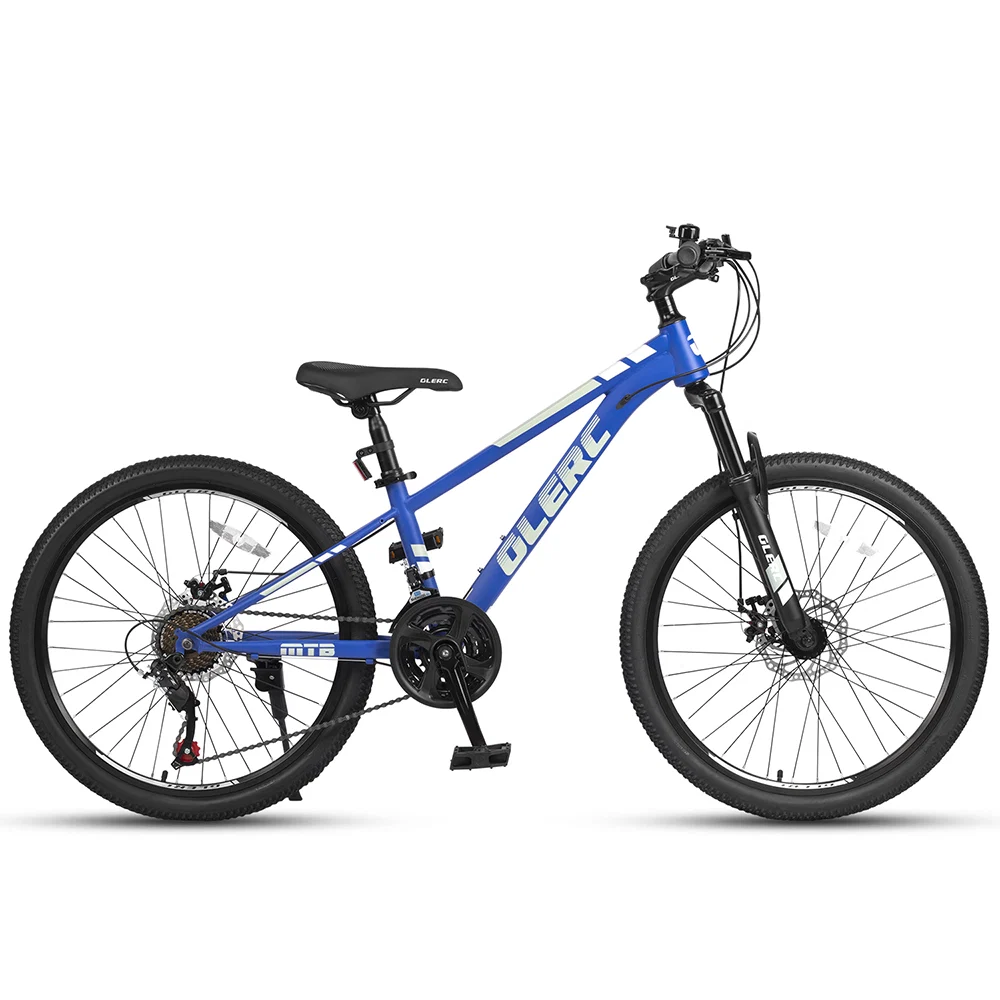
Mountain biking has become a popular recreational activity for people who enjoy fitness, adventure, nature, and outdoor exploration. Riders can choose from different mountain bike styles depending on their experience and preferred terrain. A lightweight hardtail mountain bike may be suitable for beginners and cross-country riders, while a full suspension mountain bike can provide additional comfort and control on rough technical trails.
Finding the right mountain bike requires more than choosing an attractive frame or popular brand. Factors such as bike size, wheel size, suspension, tire design, braking performance, drivetrain, frame material, and riding position all influence the overall experience. Understanding these features can help riders select a bicycle that matches their needs and makes every trail ride more enjoyable.
Which Mountain Bike Style Fits Your Trail Experience?
Mountain bikes are available in several designs because different trails require different types of performance. Cross-country mountain bikes are generally designed around efficiency, climbing ability, and longer-distance riding. They are often lighter than more aggressive trail bikes, making them suitable for riders who want to cover significant distances while maintaining a good pace.
Trail mountain bikes offer a balanced approach for riders who want versatility. A trail bike can handle climbs, descents, dirt paths, rocks, roots, and changing surfaces without being specialized for only one type of terrain. This makes the trail mountain bike a popular option for recreational cyclists who want a single bicycle for a wide variety of outdoor adventures.
Enduro mountain bikes are designed for riders who enjoy technical downhill sections but still need enough climbing performance to reach those descents. They usually have stronger components, capable suspension, and geometry that provides stability on challenging terrain. Riders who regularly visit demanding mountain trails may find this style particularly appealing.
Downhill mountain bikes are more specialized. They are designed primarily for steep and technical downhill riding, where stability, suspension, braking, and traction are extremely important. Their design is less focused on efficient climbing, making them more appropriate for dedicated downhill environments.
Electric mountain bikes have also expanded the possibilities of trail cycling. An electric mountain bike combines traditional pedaling with motor assistance, which can make long climbs and extended rides more manageable. E-mountain bikes can be useful for riders who want to explore larger areas while still experiencing the feel of off-road cycling.
Which Features Make a Mountain Bike Reliable?
The suspension system is one of the most noticeable features of a mountain bike. Hardtail mountain bikes have suspension at the front while maintaining a rigid rear frame. Their relatively simple construction can make them efficient, practical, and easier to maintain. For beginners and riders who spend most of their time on moderate trails, a hardtail can be a strong starting point.
Full suspension mountain bikes include both front and rear suspension. This configuration can help absorb impacts from rocks, roots, bumps, and uneven sections of trail. Riders who regularly encounter technical terrain may appreciate the additional control and comfort provided by a full suspension setup.
Tires are equally important because they provide the connection between the bicycle and the trail. Mountain bike tires are generally wider than road bicycle tires and feature tread patterns designed for improved traction on dirt, gravel, mud, and rocky surfaces. The ideal tire depends on the terrain and riding style.
Brakes are another critical component. Modern mountain bikes commonly use disc brakes because they provide dependable stopping power across different trail conditions. Hydraulic disc brakes can deliver strong and controlled braking performance, while mechanical disc brakes offer a simpler system that can be easier to adjust.
The drivetrain also influences the riding experience. A suitable gearing system allows riders to manage steep climbs and maintain control across changing terrain. Modern mountain bike drivetrains are designed to provide useful gear ranges while keeping operation relatively straightforward.
Frame material can affect weight, durability, price, and ride characteristics. Aluminum is a common choice because it provides a practical balance between strength and weight. Carbon fiber mountain bikes can offer lower weight and a different riding feel, but they are generally positioned at a higher price level.
Which Mountain Bike Is Suitable for Beginners?
Choosing a mountain bike for beginners should focus on comfort, reliability, fit, and suitability for local trails. A beginner does not necessarily need the most expensive full suspension model available. In many cases, a quality hardtail mountain bike can provide an excellent introduction to trail riding.
Correct bicycle sizing is especially important. A properly sized frame helps the rider maintain better control and a comfortable position. Manufacturers usually provide size charts based on rider height and other measurements. Checking these recommendations before purchasing can help prevent fit-related problems.
Wheel size is another consideration. Different wheel dimensions can affect stability, maneuverability, acceleration, and the ability to roll over obstacles. Rather than assuming one wheel size is automatically best, riders should consider their height, riding style, and the type of trails they expect to use.
Comfort should also be considered alongside technical specifications. Handlebar width, saddle design, grips, pedals, and riding position can influence how comfortable a rider feels during longer journeys. A well-fitted mountain bicycle can encourage riders to spend more time exploring and developing their skills.
Budget is naturally an important part of the decision. Entry-level mountain bikes can provide dependable performance for recreational riding, while mid-range and premium models may offer more advanced suspension, lighter frames, stronger wheels, improved braking systems, and higher-end drivetrains. The best choice is the bicycle that provides the features you actually need rather than simply the most expensive option.
How Can a Mountain Bike Stay Ready for the Trail?
Regular maintenance helps a mountain bike remain dependable and perform consistently. Off-road cycling can expose components to mud, dust, water, and debris, so cleaning the bicycle after particularly dirty rides can help reduce buildup and unnecessary wear.
The drivetrain should receive regular attention because dirt can affect shifting and chain movement. Keeping the chain clean and properly lubricated can contribute to smoother operation. Tires should also be inspected for damage and maintained at an appropriate pressure for the bicycle and riding conditions.
Brake components deserve particular attention because dependable stopping performance is essential on trails. Riders should inspect their brakes regularly and follow the manufacturer's maintenance recommendations. Suspension components should also be serviced according to the manufacturer's guidelines, especially when the bike is frequently used on demanding terrain.
Trail performance is influenced by riding technique as well as bicycle components. Learning controlled braking, cornering, climbing, and descending can help riders become more confident. Beginners should start with suitable trails and gradually progress as their skills improve.
Mountain biking can also provide a rewarding way to spend time outdoors. Exploring dedicated trails, hills, forests, and natural landscapes combines physical activity with adventure. With the appropriate bicycle and responsible trail habits, riders can enjoy cycling while developing endurance, balance, coordination, and confidence.
Conclusion: Can a Mountain Bike Transform Your Outdoor Cycling Adventures?
A mountain bike can be an excellent choice for anyone interested in outdoor cycling, trail exploration, fitness, and adventure. Its specialized design provides advantages on surfaces where ordinary bicycles may struggle, while different mountain bike categories allow riders to select a model suited to their particular goals.
Hardtail mountain bikes can be practical for beginners and cross-country riders, while full suspension models can provide greater capability on rough trails. Trail, enduro, downhill, and electric mountain bikes offer additional choices for riders with specialized preferences.
43.242.176.24
shell
Guest
benducket3211@gmail.com