
shell
Guest
benducket3211@gmail.com
Can an Electric Skateboard Kit Make Your Own Electric Board More Practical? (4 views)
19 Aug 2026 23:18
An electric skateboard kit provides an exciting way to transform a compatible traditional skateboard or longboard into an electric-powered ride. Instead of purchasing a fully assembled electric skateboard, riders can use a conversion system that combines a motor, battery, electronic speed controller, drivetrain, and remote control. This approach can appeal to people who enjoy customization, DIY projects, and personalized electric transportation.
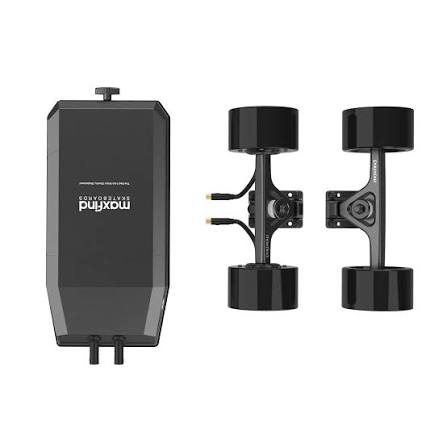
The growing interest in DIY electric skateboards has made conversion kits increasingly popular among enthusiasts. A suitable kit can allow riders to work with an existing deck while choosing performance characteristics that match their preferred riding style. Some riders may want a lightweight setup for short urban trips, while others may prefer a more powerful configuration for hills, longer distances, or recreational riding.
An electric skateboard conversion requires careful consideration of compatibility, performance, battery capacity, board construction, and assembly. Understanding these factors can help riders create a more suitable and dependable electric board.
Electric Skateboard Kit Components
An electric skateboard kit normally contains several electrical and mechanical components that work together to provide powered movement. Depending on the manufacturer and package, a kit may include an electric motor, motor mount, drivetrain components, electronic speed controller, battery, wiring, remote control, and mounting hardware.
The motor is the main source of propulsion. Most conversion systems use either hub motors or belt-drive motors. Hub motors are integrated into the wheel assembly, creating a relatively clean design with fewer exposed mechanical components. Belt-drive motors use pulleys and a belt to transfer power from the motor to the wheel.
Belt-drive systems can be attractive for riders interested in customization because different wheel sizes and gear ratios may be supported. They can also provide strong torque for hills and acceleration. Hub motors can offer a simpler appearance and may require less external drivetrain maintenance. The ideal motor configuration depends on the board, terrain, and intended riding style.
The battery is another essential component of an electric skateboard conversion kit. It stores electrical energy and supplies power to the motor. Battery capacity is commonly measured in watt-hours, and a larger capacity can generally provide greater potential range. However, actual range also depends on rider weight, speed, terrain, hills, temperature, and riding habits.
The electronic speed controller, commonly known as an ESC, manages power between the battery and motor. It controls acceleration and electronic braking while coordinating the electrical components. A reliable ESC can contribute to smoother power delivery and predictable control.
A wireless remote allows the rider to control the board while riding. Many modern systems provide acceleration and braking controls along with multiple riding modes. These features can make the board easier to manage across different riding conditions.
DIY Electric Skateboard Conversion
A DIY electric skateboard conversion can be an engaging project for people who enjoy building and customizing personal transportation devices. Rather than purchasing a complete electric skateboard with fixed specifications, riders can create a setup around an existing deck.
Compatibility is one of the most important parts of the conversion process. The motor mount must fit the trucks, the drivetrain must align correctly with the wheels, and the battery and ESC need to work together electrically. The deck must also have enough space for the battery enclosure and mounting hardware.
An electric longboard kit can be especially suitable for longboard decks because these boards often provide additional space for batteries and electronics. A longer wheelbase can also offer a stable riding platform, although the final handling depends on the complete board configuration.
Deck construction influences the finished ride. Maple, bamboo, fiberglass, carbon fiber, and composite materials are commonly associated with different types of skateboard and longboard construction. A flexible deck may provide a different riding feel from a stiff deck, while a reinforced design may offer additional durability.
Wheel selection is equally important. Larger wheels can provide greater ground clearance and may feel more comfortable over imperfect pavement. However, wheel size needs to be compatible with the trucks, motor system, gearing, and deck clearance.
Assembly should be completed carefully and according to the manufacturer's instructions. Mechanical fasteners need to be secure, motor alignment should be correct, and electrical wiring should be protected from unnecessary movement or damage. Battery mounting is particularly important because the battery is one of the largest and most significant components on the board.
A finished conversion should be inspected before riding. Checking connections, mounting hardware, wheel alignment, remote operation, acceleration, and braking can help identify problems before the board is used in a public or busy environment.
Electric Skateboard Kit Performance
Performance is a major factor for anyone considering an electric skateboard kit. Motor power, battery capacity, gearing, wheel size, board weight, rider weight, and terrain all contribute to the final riding experience.
Motor output can influence acceleration and hill-climbing capability. A rider who regularly encounters steep roads may benefit from a system with strong torque, while someone riding mainly on flat pavement may prefer a lighter and more efficient setup.
Battery capacity influences potential range. An electric skateboard battery kit with a larger capacity can support longer rides, but additional battery capacity can also increase the board's weight. Real-world range should be considered more carefully than maximum advertised figures because riding conditions can vary significantly.
Speed can also affect battery consumption. Frequent acceleration, high-speed riding, hills, and rough surfaces can use more energy than steady riding on flat pavement. Temperature and tire condition can influence efficiency as well.
Belt-drive systems can provide flexibility for riders who want to experiment with gearing and wheel configurations. Hub motors may appeal to users who prefer a simpler drivetrain with fewer external moving components.
Board weight is another important performance consideration. Adding a motor, battery, ESC, enclosure, and mounting equipment can make a converted skateboard significantly heavier than the original board. The extra weight can contribute to stability but may reduce portability.
Choosing an Electric Skateboard Conversion Kit
Selecting the right electric skateboard conversion kit begins with examining the board that will be converted. Deck size, truck design, wheel configuration, available mounting space, and structural condition should all be considered before purchasing a kit.
The intended riding environment should also guide the decision. A board designed primarily for smooth urban pavement may not be suitable for rough trails or steep terrain. Riders should choose motors, wheels, and batteries according to their expected riding conditions rather than relying on one specification such as maximum speed.
Build quality can strongly influence long-term reliability. Battery enclosures should protect electrical components from ordinary environmental exposure, while motor mounts and other mechanical components should be securely attached. Wiring should be appropriately routed and protected.
Budget is another factor. Although an electric skateboard kit can sometimes be more affordable than a premium complete electric skateboard, the final cost can increase if additional wheels, trucks, enclosures, connectors, tools, or replacement components are required.
Maintenance should also be considered. Wheels, bearings, belts, trucks, mounting hardware, electrical connectors, and battery enclosures can require periodic inspection. Regular maintenance can help support consistent performance and extend the useful life of the board.
For beginners, a complete conversion kit from a reputable manufacturer may provide a simpler starting point. Experienced builders may prefer individual components because they offer greater control over motor performance, battery capacity, wheel selection, and board configuration.
Safety should remain a priority throughout the conversion process and during riding. Electrical components should be installed according to manufacturer instructions, and riders should practice acceleration and braking at manageable speeds in an appropriate area before using the board around other people or vehicles.
Conclusion: Is an Electric Skateboard Kit a Good Choice?
An electric skateboard kit can be a practical option for people who want to transform a compatible skateboard or longboard into an electric-powered ride. It combines the flexibility of DIY customization with the convenience of modern electric transportation.
The final performance depends on how well the motor, battery, ESC, drivetrain, wheels, deck, and trucks work together. Careful compatibility checks and proper assembly are essential for creating a reliable conversion.
43.242.176.77
shell
Guest
benducket3211@gmail.com