
shell
Guest
benducket3211@gmail.com
Is the Best Trail Shoe for Ultra Running the Right Choice for Long, Tough, and Unforgettable Trail Adventures? (4 views)
3 Aug 2026 15:59
Ultra running takes trail running to another level by challenging runners to cover long distances across natural and often unpredictable terrain. Unlike shorter races, ultra-distance events can last for many hours and may include rocky paths, muddy trails, steep climbs, technical descents, forest routes, gravel tracks, and changing weather conditions. Because runners spend so much time on their feet, footwear becomes an especially important part of preparation. Choosing the best trail shoe for ultra running can help provide the comfort, traction, stability, cushioning, and protection needed for long-distance trail adventures.
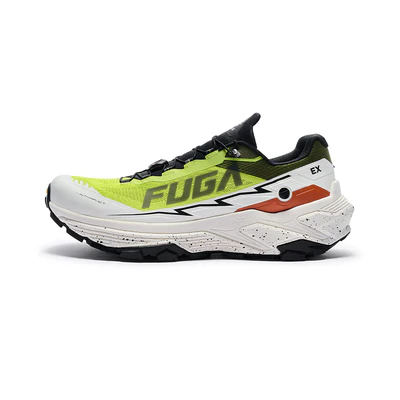
Ultra trail shoes are designed around the unique demands of extended off-road running. They need to provide a comfortable fit while remaining durable enough to handle repeated contact with challenging terrain. A suitable shoe should also offer reliable grip, appropriate cushioning, sufficient protection, and a secure platform that allows runners to move confidently across uneven surfaces.
The search for the best trail shoe for ultra running has become increasingly popular as more runners participate in ultra trail races and long-distance mountain events. Related searches such as best ultra trail running shoes, best trail shoes for long distance, cushioned trail shoes for ultra running, lightweight ultra running shoes, trail shoes for rocky terrain, durable ultra trail shoes, and best shoes for 50K and 100K trail races reflect the different requirements of long-distance runners.
Best Trail Shoe for Ultra Running and Long-Distance Comfort
Comfort is one of the most important characteristics of the best trail shoe for ultra running. During a long-distance event, runners may spend several hours moving across difficult terrain. A shoe that feels comfortable at the beginning of a race should also provide a supportive and consistent experience as the distance increases.
Cushioning plays a major role in this experience. Well-designed ultra trail running shoes often provide enough cushioning to create a comfortable ride across hard-packed trails, rocky surfaces, and other uneven ground. However, the ideal amount of cushioning depends on individual preference. Some runners prefer a soft and highly cushioned ride, while others prefer a firmer platform that provides a more direct connection with the trail.
The midsole should provide a useful combination of comfort and responsiveness. Excessively soft footwear may not feel stable on technical terrain, while a very firm shoe may feel less comfortable over extremely long distances. The best trail shoe for ultra running should offer a balanced platform that supports natural movement without creating unnecessary fatigue.
Fit is equally important. A secure heel and midfoot can help keep the foot stable while running across uneven surfaces. At the same time, the toe box should allow appropriate movement and comfort. During long-distance races, foot comfort can become increasingly important, so selecting the correct size and shape is essential.
Breathability can also contribute to long-distance comfort. Ultra runners may spend many hours in their shoes, making heat and moisture management important. Breathable materials can help create a more comfortable environment, especially during warm-weather events. In colder or wetter conditions, runners may instead prefer footwear with greater weather protection.
Best Trail Shoe for Ultra Running on Technical Terrain
Ultra races can involve a wide variety of terrain, making traction and protection critical considerations. The best trail shoe for ultra running on technical terrain should provide dependable grip while helping the runner maintain control across rocks, roots, loose dirt, mud, and steep sections.
The outsole is responsible for much of the shoe's interaction with the ground. Trail shoes with appropriately designed lugs can provide better traction than ordinary road running shoes. Deeper lugs may be particularly useful on muddy or loose surfaces, while moderate tread patterns can perform well on hard-packed trails.
Technical mountain routes often require additional protection. Running for hours across rocks can expose the feet to repeated contact with uneven surfaces. A protective midsole construction can help create a barrier between the foot and the trail, while reinforced toe areas can provide additional protection from accidental contact with rocks and other obstacles.
Stability is another important consideration. Technical terrain can force runners to make frequent changes in direction and balance. A stable platform can help provide a controlled feeling underfoot, particularly during steep descents and uneven sections.
For runners preparing for a 50K trail race, a shoe may need to balance lightweight performance with sufficient cushioning and protection. For a 100K trail race or longer ultra event, durability and comfort can become even more important because the footwear must remain functional and comfortable over a much longer period.
Weather conditions can also affect the choice. Wet trails and muddy surfaces demand strong traction, while dry rocky routes may place greater emphasis on protection and stability. The best ultra trail shoe should therefore match the conditions expected during the event.
Best Trail Shoe for Ultra Running and Durability
Durability is a major consideration when choosing the best trail shoe for ultra running. Ultra-distance events expose footwear to prolonged friction, dirt, rocks, branches, moisture, and repeated impact. A shoe that is designed for long-distance trail use should be capable of handling these conditions without quickly losing its performance characteristics.
The outsole needs to provide a combination of traction and durability. While aggressive tread can improve grip, the rubber compound and overall construction also influence how well the outsole performs over time. Runners who regularly train on rocky or technical trails may particularly benefit from durable trail footwear.
The upper should also be able to withstand outdoor conditions. Reinforced materials around areas that experience frequent contact can help extend the usable life of the shoe. At the same time, the upper should remain comfortable and breathable enough for long-distance running.
Weight is another factor that must be balanced against durability. Lightweight trail shoes for ultra running can feel fast and agile, but runners should ensure that the shoe still provides adequate protection for the intended terrain. Heavier shoes may sometimes provide more structure or protection, while lighter models can provide a more responsive feeling.
Another important aspect is the shoe's overall versatility. Some ultra runners use one shoe for training and racing, while others prefer different footwear for different types of trails. A versatile trail shoe can be useful for runners who regularly encounter mixed surfaces and varying conditions.
Testing footwear during training is also valuable. Runners should become familiar with the shoe before using it in a major ultra event. Training on terrain that resembles the race course can help reveal how the best trail shoe for ultra running performs in terms of grip, cushioning, stability, comfort, and fit.
Choosing the Best Trail Shoe for Ultra Running
Selecting the best trail shoe for ultra running ultimately depends on the runner, the distance, and the terrain. There is no universal shoe that works perfectly for every ultra-distance athlete because individual preferences and course conditions can vary significantly.
A runner competing on smooth, fast trails may prefer a lighter shoe with moderate cushioning and efficient traction. Someone preparing for a mountainous ultra may need more protection, aggressive grip, and additional stability. Runners participating in long races on hard or rocky surfaces may prioritize cushioning and underfoot comfort.
Foot shape and fit should always be considered. The shoe should hold the foot securely while allowing comfortable movement. An unsuitable fit can become increasingly noticeable as the running distance increases. Runners should also consider their socks, expected weather conditions, and the amount of space needed for comfortable movement.
Cushioning should match the runner's preference and the course. Highly cushioned ultra trail shoes can provide a softer experience, while lower-profile models may offer a more responsive connection with the ground. The right choice depends on what feels comfortable and stable during long training sessions.
Runners should also think about traction before choosing footwear. A shoe designed for dry and compact trails may not provide the same performance in deep mud or loose mountain terrain. Selecting an outsole based on the expected course can help improve confidence and control.
The best approach is to consider the entire package rather than focusing on one feature. Weight, cushioning, traction, durability, protection, stability, breathability, and fit all contribute to the overall performance of an ultra trail shoe.
Conclusion: Best Trail Shoe for Ultra Running
Finding the best trail shoe for ultra running is an important step for anyone preparing for long-distance trail races and outdoor adventures. Ultra running places unique demands on footwear because runners spend extended periods dealing with uneven terrain, changing surfaces, weather conditions, and repeated impact.
The ideal ultra trail running shoe should provide a comfortable fit, dependable traction, suitable cushioning, reliable protection, and enough durability for the expected distance. Runners tackling technical mountain courses may prioritize grip and stability, while those racing on smoother trails may prefer lightweight and responsive footwear.
43.242.176.21
shell
Guest
benducket3211@gmail.com