
shell
Guest
benducket3211@gmail.com
Can an Interactive Display Transform Modern Classrooms, Meetings, and Collaborative Workspaces? (9 views)
3 Aug 2026 00:53
Digital technology is changing the way people communicate, teach, learn, and collaborate. Traditional whiteboards and standard presentation screens are increasingly being complemented by advanced digital solutions that allow users to interact directly with content. An interactive display is one of the most useful technologies in this transformation because it combines a large digital screen with touch interaction, multimedia capabilities, and collaboration features.
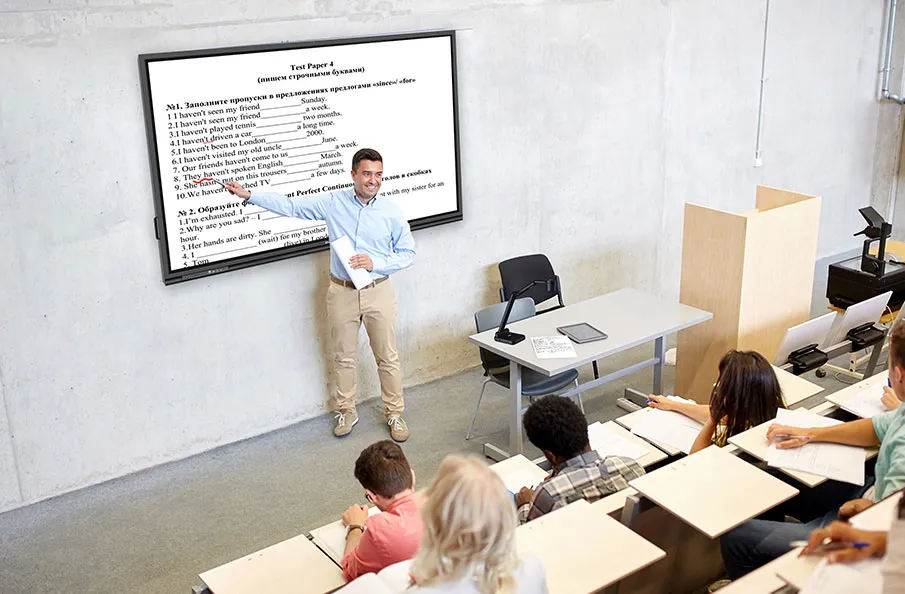
An interactive display can be used in schools, universities, corporate offices, training centers, conference rooms, healthcare facilities, and other professional environments. Instead of simply displaying information, it allows users to write, draw, annotate, move objects, open applications, browse websites, and interact with digital content directly on the screen.
The growing popularity of interactive displays is closely connected to the rise of smart classrooms, hybrid workplaces, digital collaboration, and modern meeting room technology. Organizations want displays that can do more than show a presentation. They need technology that supports active participation and makes communication easier.
With features such as touchscreen functionality, wireless screen sharing, digital annotation, video conferencing compatibility, and multimedia support, an interactive display can become a central hub for modern collaboration.
Interactive Display Technology for Digital Environments
An interactive display is a large digital screen designed to allow users to interact with the content shown on it. Unlike a traditional monitor or projector, an interactive touchscreen display can respond to touch input, enabling users to control applications and manipulate digital information directly.
This technology is particularly valuable in environments where communication and participation are important. In a classroom, a teacher can use an interactive display to present lessons, write notes, show videos, and demonstrate concepts. In a corporate meeting room, employees can use the screen to review documents, annotate presentations, discuss projects, and collaborate on ideas.
Modern interactive display technology often combines high-resolution visuals with responsive touch functionality. This can make small text, diagrams, photographs, videos, and presentations easier for groups to view. A large screen can also improve visibility in rooms where many people need to see the same information.
Many interactive displays also support digital annotation. A presenter or teacher can write directly over a presentation, document, image, or webpage. These notes can sometimes be saved and shared after the session, helping users preserve important information from a meeting or lesson.
Another useful feature is wireless connectivity. With wireless screen sharing, users can connect laptops, tablets, and smartphones to a shared display without relying entirely on physical cables. This can make it easier for multiple people to contribute content during a collaborative session.
The combination of touchscreen interaction, wireless connectivity, multimedia support, and digital collaboration makes interactive displays increasingly useful for modern organizations.
Interactive Display for Classrooms and Learning
Education is one of the most important applications for interactive display technology. Schools and universities are adopting smart classroom solutions to create more engaging and flexible learning environments.
An interactive classroom display can replace or complement a traditional whiteboard while providing access to digital learning resources. Teachers can display presentations, educational videos, diagrams, maps, digital textbooks, websites, and interactive applications from one central screen.
The touchscreen functionality allows teachers to interact directly with lesson material. Instead of explaining a concept using only words, educators can demonstrate information visually. For example, a mathematics teacher can work through equations on the screen, while a science teacher can use diagrams or animations to explain complex processes.
Students can also participate directly. Depending on the classroom setup, students may be invited to solve problems, annotate diagrams, present projects, or interact with digital exercises on the interactive classroom display. This can encourage greater participation and make lessons more collaborative.
Another advantage is multimedia learning. Educational content can include images, audio, videos, animations, and interactive activities. These resources can help teachers present information in different formats and provide students with additional context.
Interactive displays can also support remote and hybrid education. When connected with video conferencing technology, teachers can communicate with students who are attending lessons from different locations. This creates opportunities for more connected learning environments.
For schools considering an interactive smart board alternative, modern interactive flat panels can offer a combination of display, annotation, collaboration, and connectivity features in one device. The exact capabilities depend on the model and software environment, so educational institutions should evaluate their teaching requirements before selecting equipment.
Interactive Display for Business Meetings and Collaboration
Businesses are also adopting interactive displays to modernize conference rooms, boardrooms, training spaces, and collaborative offices. A large touchscreen can make business meetings more interactive by allowing employees to work directly with digital content.
During a presentation, an employee can display slides, annotate important information, open websites, demonstrate software, or review documents. Team members can contribute ideas directly to the screen rather than relying solely on a presenter to control the meeting.
An interactive meeting room display can also support brainstorming sessions. Teams can use digital whiteboard applications to write ideas, create diagrams, organize concepts, and review project information. Because digital notes can often be saved and shared, the work completed during a meeting does not necessarily have to disappear when the session ends.
Wireless presentation technology adds another layer of convenience. Employees can share content from laptops and mobile devices without constantly switching cables. This can help reduce interruptions when several people need to present during the same meeting.
Interactive displays can also work alongside video conferencing systems. A company may use the display to communicate with remote employees, clients, or business partners while using the touchscreen for presentations and collaborative activities.
This is especially useful in hybrid workplaces. Employees in the physical meeting room can interact with digital content while remote participants follow the same presentation through an online collaboration platform.
The combination of interactive touchscreen displays, video conferencing, wireless presentation, and digital whiteboarding can create a more connected workplace. However, businesses should also consider network reliability, device compatibility, data security, software support, and user training before implementing the technology.
Choosing an Interactive Display?
Choosing the right interactive display requires consideration of the environment, screen size, resolution, touch capabilities, software compatibility, connectivity, and intended usage. A classroom may have different requirements from a corporate boardroom or training center.
Screen size is an important factor because the display needs to be visible to everyone in the room. A larger space may require a larger screen, while a smaller meeting room may work well with a more compact interactive panel.
Touch responsiveness is also important. A high-quality touchscreen should respond naturally to writing, gestures, and other interactions. Multi-touch functionality can be useful when multiple people need to work on the screen simultaneously.
Connectivity is another major consideration. Organizations may want support for laptops, smartphones, tablets, wireless screen sharing, video conferencing systems, and other digital tools. Broad compatibility can make an interactive digital display more flexible for different users.
Software integration should also be evaluated. A display may provide excellent hardware, but its usefulness can depend heavily on the applications and platforms that users need. Schools and businesses should consider whether the system works smoothly with their existing software ecosystem.
Durability and long-term support are important for organizations that plan to use an interactive display every day. Educational institutions and businesses should consider warranty coverage, maintenance, software updates, and technical support when comparing solutions.
Ultimately, the best interactive display is not necessarily the one with the largest number of features. The most suitable option is one that matches the organization's actual requirements and provides a simple, reliable experience for teachers, students, employees, and presenters.
Conclusion
An interactive display can transform the way people communicate and collaborate by combining high-quality digital visuals with direct touchscreen interaction. In classrooms, it can support interactive lessons, multimedia learning, digital annotation, and student participation. In businesses, it can improve presentations, brainstorming, meetings, training sessions, and hybrid collaboration.
The growing adoption of interactive touchscreen displays, smart classroom technology, wireless presentation systems, and digital whiteboards shows the increasing demand for more connected and collaborative environments.
43.242.176.21
shell
Guest
benducket3211@gmail.com