
shell
Guest
benducket3211@gmail.com
Could Automotive Silicone Rubber Parts Be the Key to Better Vehicle Performance? (207 views)
19 Jun 2026 22:30
From conventional gasoline-powered vehicles to hybrid and electric cars, automotive silicone rubber parts are used in numerous systems that require dependable sealing, insulation, and protection. Their exceptional physical and chemical properties make them superior to many traditional rubber materials. As a result, both original equipment manufacturers and aftermarket suppliers continue to increase their use of silicone rubber components in vehicle production.
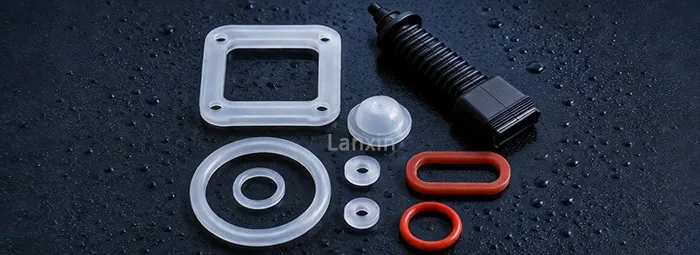
Automotive Silicone Rubber Parts in Modern Vehicles
Automotive silicone rubber parts are found throughout nearly every section of a vehicle because they provide excellent resistance to harsh operating environments. These components include silicone gaskets, O-rings, seals, hoses, boots, electrical connectors, vibration dampers, and weather-resistant seals that contribute to reliable vehicle performance.
Unlike conventional rubber, silicone maintains its flexibility across a wide temperature range while resisting cracking, shrinking, and hardening. This stability allows silicone components to continue functioning efficiently in engine compartments, cooling systems, braking systems, lighting assemblies, and electrical modules.
The increasing complexity of modern vehicles has created greater demand for high-performance silicone components that improve reliability while reducing maintenance requirements. Their ability to perform consistently under challenging conditions has made them one of the most trusted materials in automotive manufacturing.
Material Characteristics
The popularity of automotive silicone rubber parts is largely due to the outstanding characteristics of silicone rubber itself. One of its most important features is exceptional thermal stability. Silicone remains flexible at extremely low temperatures while maintaining its structural integrity in high-temperature engine environments where many other materials begin to deteriorate.
Silicone rubber also offers remarkable resistance to ultraviolet radiation, ozone, moisture, and oxidation. These properties allow automotive components to maintain their appearance and performance even after years of outdoor exposure.
Chemical resistance represents another significant advantage. Automotive fluids such as engine oil, coolant, brake fluid, and cleaning chemicals can gradually damage standard rubber materials. Silicone provides improved resistance to many of these substances, extending component lifespan and reducing maintenance costs.
In addition, silicone rubber possesses excellent electrical insulation properties, making it ideal for protecting sensitive wiring systems, electronic sensors, and high-voltage components found in today's advanced vehicles.
Manufacturing Excellence
Producing high-quality automotive silicone rubber parts requires precision engineering and advanced manufacturing technologies. Modern production methods such as liquid silicone rubber molding, compression molding, and injection molding enable manufacturers to create highly accurate components with consistent dimensions and exceptional surface quality.
Automotive manufacturers rely on strict quality control procedures to ensure that silicone rubber parts meet demanding industry standards. Each component undergoes testing for tensile strength, elasticity, temperature resistance, compression set, tear resistance, and chemical durability before entering vehicle assembly.
Clean manufacturing environments, advanced inspection systems, and continuous process monitoring help ensure every silicone component delivers reliable performance throughout its intended service life. These manufacturing practices contribute to improved product consistency and greater customer confidence.
Vehicle Performance Benefits
One of the primary advantages of automotive silicone rubber parts is their contribution to overall vehicle performance. Silicone gaskets and seals help prevent leaks in engines, transmissions, cooling systems, and air intake systems while maintaining reliable sealing under varying pressure and temperature conditions.
Silicone hoses transport coolant and air efficiently without collapsing or becoming brittle during repeated heating and cooling cycles. Electrical connector seals protect sensitive electronic systems from dust, water, and vibration, helping maintain reliable communication between vehicle components.
Weather seals manufactured from silicone reduce wind noise, prevent water intrusion, and improve passenger comfort. Vibration-damping components minimize mechanical stress while contributing to quieter vehicle operation and enhanced driving experiences.
As vehicle manufacturers continue emphasizing durability and customer satisfaction, silicone rubber components remain an essential part of achieving long-term performance goals.
Electric Vehicle Applications
The rapid growth of electric vehicles has significantly expanded the use of automotive silicone rubber parts. Electric vehicle battery systems, charging equipment, power electronics, and high-voltage connectors require materials capable of providing reliable electrical insulation while withstanding elevated operating temperatures.
Medical-grade precision is not required in automotive applications, but automotive-grade silicone offers the flexibility and thermal resistance necessary to protect battery modules and electrical assemblies from environmental exposure. Silicone seals also help maintain waterproof enclosures that safeguard critical electronic components.
As electric vehicle technology advances, silicone rubber continues supporting innovation by enabling lighter, safer, and more efficient vehicle designs. Manufacturers increasingly rely on custom silicone solutions tailored to the unique requirements of modern electric mobility.
Market Development
The global market for automotive silicone rubber parts continues expanding as automotive manufacturers invest in advanced materials that improve performance and reliability. Consumer expectations for longer-lasting vehicles, improved fuel efficiency, and lower maintenance costs have accelerated the adoption of silicone rubber components.
Research into new silicone formulations has produced materials with enhanced mechanical strength, greater flexibility, and improved resistance to chemicals and environmental aging. These innovations allow manufacturers to develop increasingly sophisticated automotive systems without compromising reliability.
Growing environmental awareness has also encouraged the production of longer-lasting silicone components that reduce waste through extended replacement intervals. Their durability contributes to improved sustainability while supporting the automotive industry's efforts to minimize environmental impact.
As global vehicle production continues increasing, the demand for premium silicone rubber parts is expected to remain strong across passenger cars, commercial vehicles, electric vehicles, and specialty transportation applications.
Industry Outlook
Future developments in automotive engineering will continue creating opportunities for automotive silicone rubber parts across emerging vehicle technologies. Autonomous driving systems, connected vehicles, advanced safety features, and intelligent electronic systems all require reliable sealing and insulation materials capable of performing under demanding conditions.
Manufacturers are investing heavily in research and development to produce silicone materials with enhanced thermal conductivity, improved flame resistance, and greater compatibility with next-generation automotive electronics. These advancements will further strengthen silicone's position as one of the industry's most valuable engineering materials.
As vehicles become increasingly sophisticated, high-quality silicone rubber components will remain essential for supporting safety, durability, efficiency, and long-term operational reliability.
Conclusion
automotive silicone rubber parts have become an indispensable part of modern vehicle manufacturing because they combine exceptional flexibility, durability, chemical resistance, and thermal stability. Their widespread use in sealing systems, electrical insulation, cooling systems, weather protection, and vibration control demonstrates their importance in improving vehicle performance and reliability.
As automotive technology continues advancing toward electric mobility, intelligent transportation, and higher efficiency, silicone rubber components will play an even greater role in supporting innovative vehicle designs. Investing in premium automotive silicone rubber parts ensures improved safety, extended service life, reduced maintenance requirements, and dependable performance, making them an ideal solution for today's rapidly evolving automotive industry.
43.242.176.94
shell
Guest
benducket3211@gmail.com
casee
Guest
caserne119@gmail.com
30 Jul 2026 22:17 #1
Silicone rubber parts can support vehicle performance by improving sealing and durability in different areas but protecting the truck bed is also important for daily use A reliable ZTOP tonneau cover helps keep cargo protected with durable aluminum slats UV resistance and a low profile design while offering easy access to the full bed These upgrades together improve convenience security and the overall ownership experience
175.107.230.53
casee
Guest
caserne119@gmail.com
Chrome
Guest
chrmhrtsstr@gmail.com
2 Aug 2026 14:22 #2
When discussing better vehicle performance the condition of the garage or driveway should not be overlooked because cracks and damaged concrete can create problems around vehicles Bondo can fill concrete cracks and holes up to half an inch deep without requiring primer and its weather resistant formula is designed to handle automotive fluids and traffic making it useful for keeping vehicle work areas solid and reliable over time
175.107.230.53
Chrome
Guest
chrmhrtsstr@gmail.com
micky manjiro
Guest
mickymanjiro0@gmail.com
8 Aug 2026 04:47 #3
<strong data-start="471" data-end="502">"Awesome work, Tabasquishy! Your unique perspective really stands out, and it's refreshing to see content that's both entertaining and thoughtful. Keep up the fantastic work!Tabasquishy "
122.129.65.99
micky manjiro
Guest
mickymanjiro0@gmail.com