
shell
Guest
benducket3211@gmail.com
Zinc Die Casting vs Stainless Steel CNC Machining: Which Manufacturing Process Delivers Better Results? (4 views)
21 May 2026 23:02
The comparison between zinc die casting vs stainless steel CNC machining has become increasingly important in modern manufacturing industries. Both production methods are widely used for creating precision metal components, industrial parts, automotive accessories, hardware fittings, and engineering products. However, these manufacturing processes differ significantly in cost, production speed, material performance, durability, and application suitability.
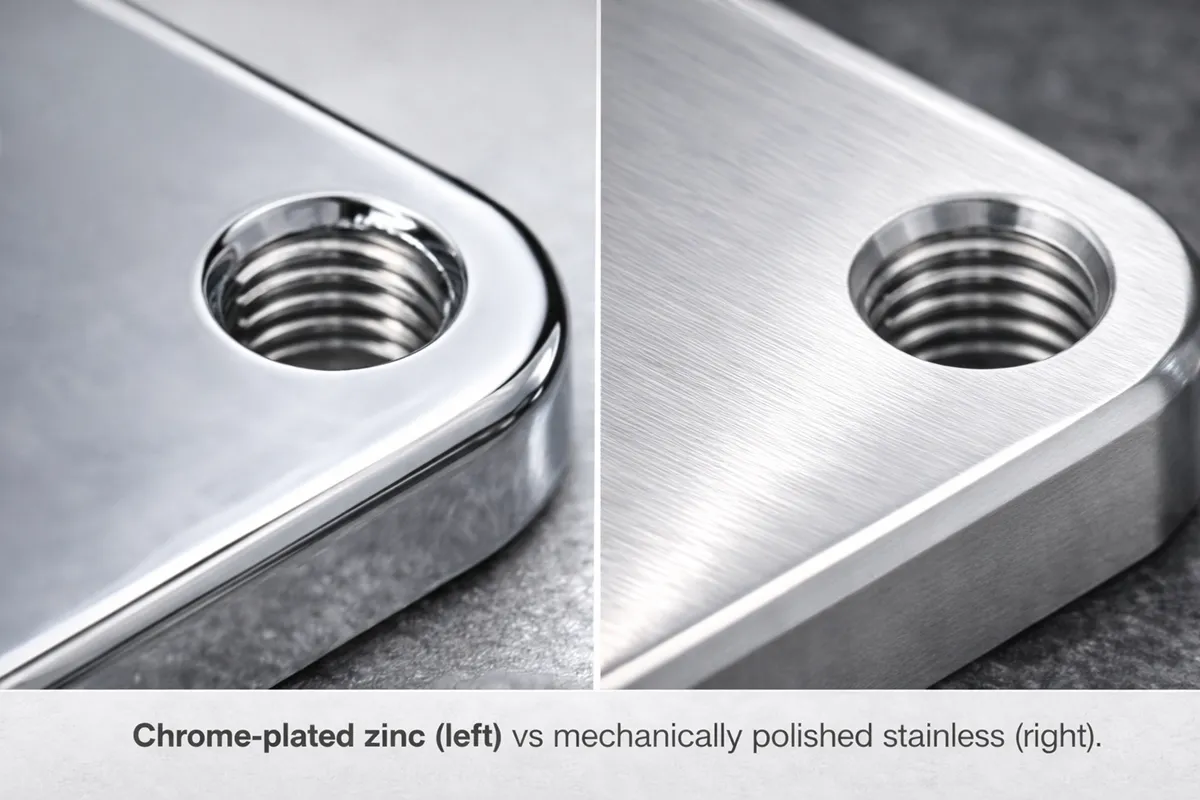
Zinc die casting is a high-volume manufacturing process where molten zinc alloy is injected into a steel mold under high pressure. zinc die casting vs stainless steel CNC machining This method is known for producing detailed parts with excellent dimensional accuracy and smooth surface finishes. Stainless steel CNC machining, on the other hand, involves removing material from a stainless steel block using computer-controlled cutting tools to create precise and durable components.
Industries that rely on seamless steel pipe systems, precision engineering, and industrial machinery often compare these manufacturing techniques before selecting the best production method. Understanding the advantages and limitations of zinc die casting and stainless steel CNC machining helps manufacturers choose the right process based on performance requirements, budget, and product design.
Stainless Steel CNC Machining Performance and Durability
Stainless steel CNC machining is widely recognized for producing highly durable and strong components. Stainless steel itself is an iron-based alloy containing chromium, which provides exceptional corrosion resistance and mechanical strength. CNC machining enhances these benefits by creating highly accurate and complex parts suitable for industrial and engineering applications.
One of the major advantages of stainless steel CNC machining is precision. Computer numerical control technology allows manufacturers to create intricate shapes, tight tolerances, and detailed finishes with remarkable consistency. This makes CNC machining ideal for aerospace components, medical equipment, industrial valves, and high-performance machinery parts.
Durability is another key benefit of stainless steel machining. Stainless steel components can withstand high temperatures, heavy loads, and corrosive environments without losing structural integrity. Stainless steel seamless steel pipe systems often rely on CNC-machined fittings and connectors because they offer superior reliability under pressure and extreme operating conditions.
Another important factor is corrosion resistance. Stainless steel naturally forms a protective chromium oxide layer that prevents rust and oxidation. This property makes CNC-machined stainless steel products suitable for marine engineering, food processing equipment, chemical plants, and outdoor infrastructure.
Although stainless steel CNC machining provides excellent performance, the manufacturing process can be time-consuming and expensive. Stainless steel is harder to machine compared to softer metals, resulting in increased tool wear and longer production times. However, for applications where strength, precision, and long-term reliability are critical, stainless steel CNC machining remains one of the most trusted manufacturing methods.
Zinc Die Casting Efficiency and Manufacturing Advantages
Zinc die casting is known for its speed, cost efficiency, and ability to produce large quantities of complex metal parts. In this process, molten zinc alloy is injected into custom molds under high pressure, allowing manufacturers to create detailed products with minimal material waste.
One of the biggest advantages of zinc die casting is production efficiency. Once the mold is created, manufacturers can produce thousands of identical parts quickly and consistently. This makes zinc die casting highly suitable for mass production industries such as automotive manufacturing, electronics, consumer products, and hardware accessories.
Zinc alloys are also easier to cast because of their lower melting point. This reduces energy consumption during manufacturing and helps lower production costs. Zinc die-cast components often require less post-processing compared to machined parts, which further improves manufacturing efficiency.
Surface quality is another important benefit of zinc die casting. Zinc alloy components usually have smooth finishes and precise detailing directly from the mold. This makes them ideal for decorative applications, handles, locks, electronic housings, and aesthetic hardware products.
Zinc die casting also offers excellent dimensional stability and lightweight performance. Manufacturers prefer zinc alloy for products requiring intricate designs and lightweight structures. In many consumer applications, zinc die casting provides an effective balance between affordability and durability.
However, zinc die casting generally cannot match the structural strength and extreme durability of stainless steel CNC machining. Zinc alloy parts may not perform as effectively in high-pressure systems, corrosive industrial environments, or applications involving extreme temperatures. For critical industrial systems such as seamless steel pipe networks and heavy machinery components, stainless steel remains the preferred choice.
Manufacturing Cost and Industrial Applications
The cost difference between zinc die casting and stainless steel CNC machining is one of the most important considerations for manufacturers. Zinc die casting is usually more cost-effective for high-volume production because molds can produce thousands of identical components quickly. The lower material cost and faster production cycle help manufacturers reduce overall expenses.
Stainless steel CNC machining has higher production costs because of slower machining speeds, increased labor requirements, and greater tool wear. However, CNC machining provides superior precision and flexibility, especially for custom parts or low-volume manufacturing projects.
Zinc die casting is commonly used for products where appearance, lightweight design, and production speed are more important than extreme mechanical strength. Automotive trims, electronic enclosures, hardware fittings, and decorative accessories are frequently manufactured using zinc die casting because of its efficiency and smooth surface quality.
Stainless steel CNC machining is preferred for industrial components that require high tensile strength, corrosion resistance, and long-term durability. Aerospace systems, medical devices, oil and gas equipment, and seamless steel pipe fittings often rely on CNC-machined stainless steel components because of their ability to perform reliably under harsh conditions.
Another difference lies in design flexibility. CNC machining allows manufacturers to modify product designs without creating entirely new molds, making it suitable for custom engineering projects and prototype development. Zinc die casting requires specialized molds, which can increase initial tooling costs but become highly economical for large production runs.
Environmental factors also influence material selection. Stainless steel products generally offer a longer service life and higher resistance to environmental damage, while zinc die-cast components are more suitable for moderate operating conditions where lightweight construction and cost savings are priorities.
Conclusion
The comparison between zinc die casting vs stainless steel CNC machining highlights the strengths and limitations of both manufacturing methods. Zinc die casting offers excellent production efficiency, lower manufacturing costs, lightweight performance, and attractive surface finishes, making it ideal for high-volume manufacturing and decorative applications.
Stainless steel CNC machining delivers superior strength, precision, corrosion resistance, and durability for demanding industrial environments. It is widely used in aerospace systems, industrial machinery, seamless steel pipe applications, and high-performance engineering projects where reliability and structural integrity are essential.
Choosing the right manufacturing process depends on production volume, application requirements, environmental conditions, and budget considerations. Zinc die casting is an efficient and economical solution for large-scale production, while stainless steel CNC machining remains the preferred option for precision engineering and heavy-duty industrial performance.
43.242.176.130
shell
Guest
benducket3211@gmail.com