
shell
Guest
benducket3211@gmail.com
Stainless Steel Exhaust Headers? Power, Durability, and Performance Benefits Explained (4 views)
18 May 2026 03:10
Stainless steel exhaust headers are among the most effective upgrades for improving engine performance, exhaust efficiency, and overall driving experience. Automotive enthusiasts, racing professionals, and vehicle owners often install aftermarket exhaust headers to increase horsepower, enhance throttle response, and create a more aggressive exhaust sound. Modern performance vehicles rely heavily on efficient airflow, and stainless steel headers are specifically designed to optimize the movement of exhaust gases from the engine.
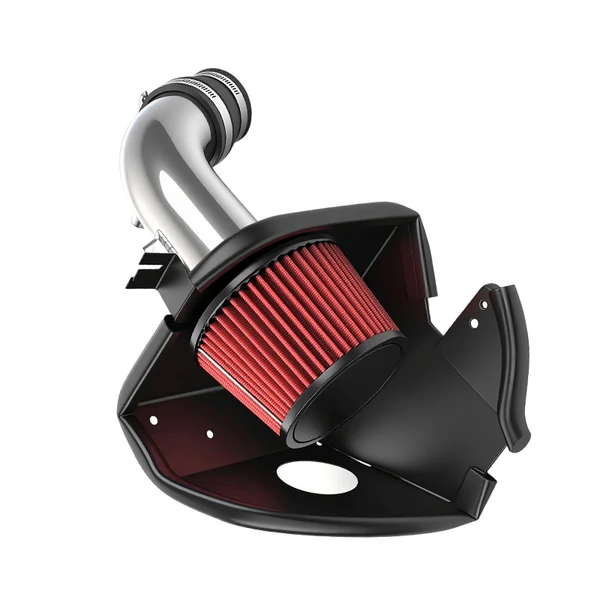
Factory exhaust manifolds are generally built for cost efficiency and noise control rather than maximum performance. These stock manifolds can create airflow restrictions that reduce engine efficiency and limit power output, stainless steel exhaust headers are engineered with smooth mandrel-bent tubing and carefully designed pipe lengths to reduce back pressure and improve exhaust scavenging.
Improved exhaust scavenging allows exhaust gases to exit the combustion chamber more efficiently. When old gases leave the cylinders quickly, the engine can draw in fresh air and fuel more effectively during the intake cycle. This process improves combustion efficiency and helps generate greater horsepower and torque. Drivers often notice quicker acceleration and smoother engine performance after upgrading to high-performance exhaust headers.
Long tube headers are especially popular in performance applications because they provide excellent airflow at higher RPM levels. Muscle cars, sports cars, and racing vehicles frequently use stainless steel long tube headers to maximize engine output. Shorty headers are another common option, offering easier installation while still improving airflow compared to restrictive factory manifolds.
Turbocharged vehicles also benefit from stainless steel turbo headers. These specialized exhaust components are designed to withstand intense heat while directing exhaust gases efficiently toward the turbocharger. Faster and smoother exhaust flow improves turbo spool time and enhances engine responsiveness under acceleration.
Exhaust Flow and Engine Efficiency
Efficient exhaust flow plays a critical role in engine performance, and stainless steel exhaust headers are designed specifically to improve that flow. By reducing restrictions inside the exhaust system, performance headers help engines breathe more freely. Better airflow contributes to stronger combustion, improved fuel delivery, and more consistent engine operation.
Many performance enthusiasts upgrade their exhaust systems with stainless steel headers because they can significantly improve engine responsiveness. Reduced back pressure allows the engine to operate with less strain, helping it produce power more efficiently. Vehicles equipped with aftermarket exhaust headers often experience noticeable gains in low-end torque and high-end horsepower.
The material quality of stainless steel headers is another important advantage. Stainless steel is highly resistant to corrosion, rust, and heat damage, making it ideal for high-temperature automotive applications. Unlike traditional cast iron manifolds or mild steel headers, stainless steel exhaust components maintain their strength and appearance for many years.
T304 stainless steel exhaust headers are especially popular in the automotive industry because they offer superior durability and thermal resistance. These headers can handle extreme exhaust temperatures without cracking or warping under demanding driving conditions. Whether used in daily-driven vehicles or high-performance racing cars, stainless steel provides reliable long-term performance.
Heat retention is another benefit of stainless steel exhaust systems. By maintaining higher exhaust gas temperatures inside the tubing, headers help gases move faster through the exhaust system. Faster-moving exhaust gases improve scavenging efficiency and support better engine performance. Many performance headers are also ceramic coated to further reduce under-hood temperatures and improve thermal efficiency.
In addition to performance improvements, stainless steel headers create a more aggressive exhaust tone. Vehicle owners often prefer the deep and sporty sound produced by aftermarket performance exhaust systems. The enhanced exhaust note contributes to a more engaging driving experience and gives vehicles a stronger performance character.
Vehicle Customization and Performance Upgrades
Automotive customization continues to grow in popularity, and stainless steel exhaust headers remain one of the most common performance upgrades. Enthusiasts frequently combine headers with cold air intake systems, high-flow catalytic converters, cat-back exhaust systems, and ECU tuning to maximize engine output and efficiency.
Sports cars and muscle cars benefit greatly from upgraded exhaust systems because these vehicles are often designed with performance driving in mind. Long tube headers are commonly installed on V8 engines to improve airflow and unlock additional horsepower. Racing applications also rely heavily on stainless steel performance headers because they provide durability and consistent exhaust flow under high RPM conditions.
Truck owners and off-road enthusiasts also use aftermarket exhaust headers to improve towing capability and engine efficiency. High-performance exhaust systems help trucks maintain stronger torque delivery during heavy loads and demanding driving situations. Stainless steel construction ensures these exhaust components can withstand harsh environmental conditions, including moisture, dirt, and road debris.
Modern manufacturers design stainless steel exhaust headers for a wide range of vehicle makes and models. Direct-fit header kits simplify installation and allow enthusiasts to upgrade their vehicles without extensive modifications. Many systems are engineered using precision welding techniques and optimized tube diameters to maximize airflow efficiency.
Performance tuning is another important factor in maximizing the benefits of aftermarket headers. ECU tuning allows the engine management system to adjust fuel delivery and ignition timing based on the improved airflow characteristics of the upgraded exhaust system. Tuned vehicles equipped with stainless steel headers often achieve substantial gains in power and throttle response.
Visual appeal also contributes to the popularity of stainless steel exhaust headers. Polished stainless steel tubing enhances the appearance of the engine bay and gives vehicles a more professional and performance-oriented look. Many custom automotive builds feature polished or ceramic-coated headers as part of their overall design aesthetic.
As automotive engineering continues to evolve, exhaust technology is becoming more advanced and efficient. Manufacturers focus on creating high-flow exhaust systems that balance performance, durability, and emissions compatibility. Stainless steel remains one of the most trusted materials for high-performance exhaust applications because of its strength and long-lasting reliability.
Conclusion
Stainless steel exhaust headers continue to be one of the best upgrades for improving vehicle performance, engine efficiency, and exhaust flow. Their ability to reduce back pressure and optimize exhaust scavenging helps engines produce greater horsepower, stronger torque, and faster throttle response. Whether installed on sports cars, trucks, muscle cars, or turbocharged vehicles, these performance exhaust components deliver noticeable improvements in driving dynamics and engine operation.
The durability and corrosion resistance of stainless steel make these headers a reliable long-term investment for automotive enthusiasts and professional tuners. High-quality stainless steel exhaust headers can withstand extreme temperatures while maintaining excellent airflow performance and structural integrity.
43.242.177.201
shell
Guest
benducket3211@gmail.com