
shell
Guest
benducket3211@gmail.com
Catless Downpipe? Performance Gains, Turbo Sound, and Exhaust Flow Explained (4 views)
18 May 2026 03:05
A catless downpipe is one of the most popular aftermarket exhaust upgrades for turbocharged vehicles. Performance enthusiasts often install a catless downpipe to improve exhaust flow, increase horsepower, and enhance turbocharger efficiency. In modern turbocharged engines, the downpipe connects the turbocharger to the rest of the exhaust system. Factory downpipes usually include restrictive catalytic converters that reduce emissions but can also limit exhaust gas flow and engine performance.
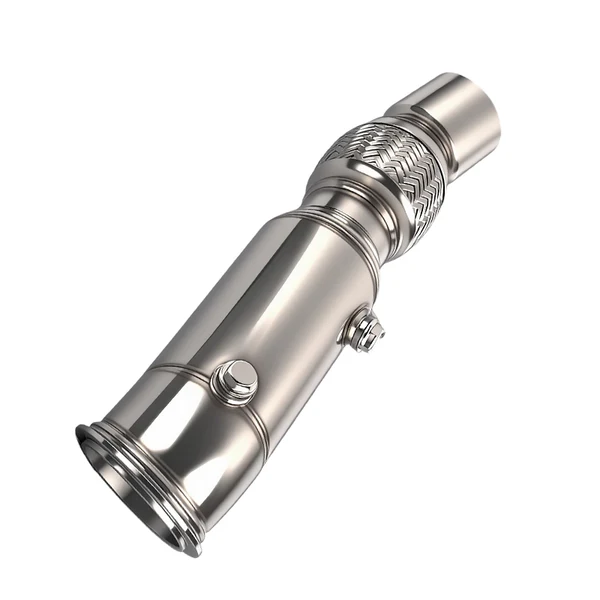
By replacing the stock downpipe with a high-flow catless downpipe, exhaust gases can exit the turbocharger more freely. Reduced exhaust restriction helps the turbo spool faster, improving throttle response and overall engine power. Many drivers notice stronger acceleration, smoother power delivery, and a more aggressive exhaust note after upgrading to a performance downpipe.
Turbocharged sports cars, performance sedans, and modified street vehicles commonly use stainless steel catless downpipes because they provide excellent durability and heat resistance. These aftermarket exhaust components are designed to withstand extreme temperatures while maintaining efficient airflow under demanding driving conditions.
The popularity of catless exhaust systems has grown significantly within the automotive tuning industry. Enthusiasts seeking improved turbo performance often combine a catless downpipe with ECU tuning, cold air intake systems, upgraded intercoolers, and cat-back exhaust systems. Together, these modifications create a more efficient airflow environment that maximizes engine output and driving performance.
Turbocharger Efficiency and Exhaust Flow
One of the primary advantages of a catless downpipe is improved turbocharger efficiency. Turbocharged engines rely on exhaust gases to spin the turbo turbine and generate boost pressure. When exhaust flow is restricted by factory catalytic converters, turbo response can become less efficient. A high-performance catless downpipe reduces back pressure and allows exhaust gases to move more freely through the system.
Lower back pressure helps the turbocharger spool more quickly, reducing turbo lag and improving throttle responsiveness. Faster turbo spool creates a more immediate power delivery, especially during acceleration and high RPM driving. Performance drivers often choose aftermarket turbo downpipes because they provide a noticeable improvement in driving dynamics and engine responsiveness.
Stainless steel catless downpipes are commonly preferred because stainless steel resists corrosion, rust, and heat damage. High-quality T304 stainless steel downpipes are particularly popular in the performance automotive market because they offer long-lasting durability and superior thermal resistance. These materials allow the exhaust system to maintain structural integrity even under intense heat generated by turbocharged engines.
Another important benefit of improved exhaust flow is increased horsepower and torque. When the engine can expel exhaust gases more efficiently, it can operate with reduced strain and improved combustion efficiency. Tuned turbocharged vehicles equipped with a performance catless downpipe often achieve significant gains in engine output compared to stock exhaust configurations.
Performance exhaust sound is another reason enthusiasts upgrade to catless downpipes. Removing restrictive catalytic converters creates a louder and deeper exhaust tone with more pronounced turbo sounds. Many drivers enjoy the aggressive exhaust character and enhanced turbo whistle produced by aftermarket downpipe systems. The exhaust note becomes sharper and more performance-oriented, especially during acceleration and gear changes.
Heat management also plays a major role in turbocharged performance applications. Efficient exhaust flow helps reduce excessive heat buildup within the turbo system. Many aftermarket catless downpipes are designed with mandrel-bent tubing and smooth internal surfaces to minimize turbulence and optimize airflow velocity.
Performance Tuning and Vehicle Customization
Automotive tuning culture continues to expand, and catless downpipes remain one of the most common upgrades for performance-oriented vehicles. Enthusiasts looking to maximize turbo efficiency often begin with exhaust modifications because they provide immediate improvements in airflow and engine response.
Performance tuning companies manufacture catless downpipes for a wide variety of vehicles, including European sports cars, Japanese turbocharged imports, American performance sedans, and modern luxury vehicles. Direct-fit downpipe systems are designed to integrate with factory turbochargers and aftermarket exhaust systems, simplifying installation for professional mechanics and experienced enthusiasts.
Engine tuning is frequently recommended after installing a catless downpipe. ECU tuning allows the engine management system to optimize fuel delivery, ignition timing, and boost pressure based on the increased exhaust flow. Proper tuning ensures the engine operates efficiently while maximizing the performance benefits of the upgraded exhaust system.
Modified vehicles equipped with performance downpipes often demonstrate improved mid-range torque and stronger top-end power. These characteristics are especially beneficial during spirited driving, track use, and high-speed acceleration. Turbocharged engines respond particularly well to reduced exhaust restrictions, making downpipe upgrades highly effective in modern performance builds.
Many enthusiasts also install ceramic-coated or heat-wrapped downpipes to improve thermal efficiency. Heat management solutions help lower engine bay temperatures and protect nearby components from excessive heat exposure. Cooler engine bay temperatures can improve reliability and support consistent performance during demanding driving conditions.
While catless downpipes are widely appreciated for their performance benefits, vehicle owners should also consider local emissions regulations and inspection requirements. Some regions require emissions-compliant exhaust systems for street-driven vehicles. Because catless exhaust setups remove the catalytic converter, they may not comply with emissions standards in certain locations. Performance enthusiasts often research local regulations before modifying their exhaust systems.
The aftermarket performance industry continues to develop advanced exhaust technologies that improve airflow while balancing durability and engine efficiency. Modern performance downpipes are engineered using precision welding, optimized pipe diameters, and high-quality materials to deliver reliable results for both street and track applications.
Conclusion
A catless downpipe remains one of the most effective upgrades for improving turbocharged engine performance, exhaust flow, and throttle response. By reducing exhaust restrictions and lowering back pressure, these aftermarket exhaust components help turbochargers spool faster and operate more efficiently. The result is improved horsepower, stronger torque delivery, and a more aggressive driving experience.
Stainless steel catless downpipes offer exceptional durability, heat resistance, and long-term reliability, making them a popular choice among automotive enthusiasts and performance tuners. Their ability to enhance turbo sound, improve engine responsiveness, and support high-performance modifications has made them an essential component in modern turbocharged vehicle builds.
43.242.177.201
shell
Guest
benducket3211@gmail.com