
shell
Guest
benducket3211@gmail.com
Direct Dyes? Complete Guide to Textile Coloring Technology and Industrial Applications (4 views)
18 May 2026 01:29
Direct dyes are water-soluble colorants widely used in the textile industry for dyeing cellulose fibers such as cotton, viscose, linen, and rayon. These dyes are called “direct” because they can be applied directly onto fabric without requiring complex chemical processes or strong mordants. Their simplicity, affordability, and wide shade range make them one of the most important dye classes in textile processing.
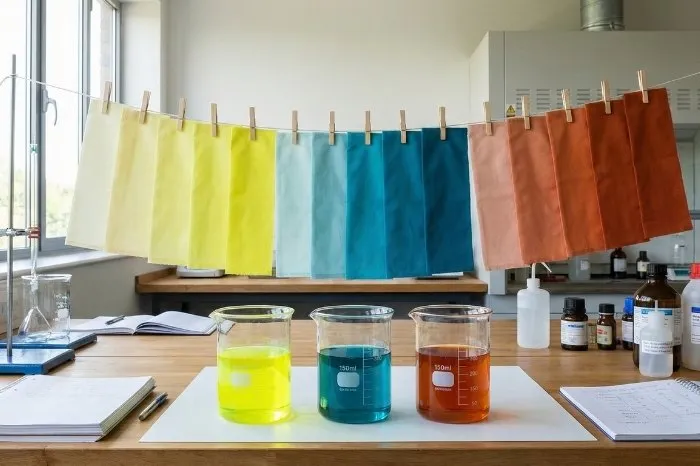
In modern textile manufacturing, direct dyes are essential for producing colored fabrics used in garments, home textiles, upholstery, and industrial materials. Textile dyeing units rely heavily on direct dyes because they offer easy application, consistent coloration, and cost-effective production. These dyes dissolve easily in water and bond with fibers through hydrogen bonding and other physical interactions, ensuring smooth and uniform color distribution.
The textile industry continues to expand globally, increasing the demand for efficient and economical dyeing solutions. Direct dyes remain popular because they are suitable for large-scale batch dyeing and continuous processing systems. Their ability to produce deep shades such as black, blue, red, and green makes them highly versatile for different fabric applications.
Modern advancements in dye chemistry have improved the performance of direct dyes in terms of brightness, color strength, and environmental safety. Many manufacturers now produce eco-friendly direct dyes that comply with international environmental regulations and reduce harmful chemical impact during textile processing.
Cotton Dyeing and Cellulose Fiber Applications
Cotton is one of the most important natural fibers used in textile production, and direct dyes play a significant role in its coloration. Cotton fabrics have a strong affinity for direct dyes, allowing efficient dye absorption and uniform color development. Textile manufacturers use direct dyes for shirts, trousers, bedsheets, towels, curtains, and various household textiles.
Viscose and rayon fibers also respond well to direct dyes due to their cellulose-based structure. These regenerated fibers absorb dye molecules easily, producing smooth and even shades. Direct dyes are widely used in these materials because they provide a balance between cost efficiency and aesthetic appeal.
One of the key advantages of direct dyes in cotton dyeing is the simplicity of the dyeing process. Unlike reactive or vat dyes, direct dyes do not always require complex chemical treatments or high-energy processes. This makes them suitable for textile mills aiming to reduce production costs and increase efficiency.
To improve dye performance, textile manufacturers often use dyeing auxiliaries such as salt, leveling agents, and fixing chemicals. These additives enhance dye penetration, improve shade uniformity, and increase color retention. Salt plays an important role in promoting dye exhaustion, allowing better fixation of dye molecules onto fabric fibers.
Direct black dyes are particularly important in textile production due to their widespread use in fashion and industrial fabrics. Black-colored textiles are in constant demand, and direct dyes provide a cost-effective solution for achieving deep and rich black shades on cotton-based materials.
Despite their advantages, direct dyes may have moderate wash fastness compared to other dye types. To improve durability, textile processors often apply after-treatment chemicals that enhance color retention and resistance to fading. Continuous research in textile chemistry has led to improved formulations that offer better fastness properties and longer-lasting color performance.
Textile Dye Chemistry and Industrial Performance
Direct dyes belong primarily to the azo dye class, characterized by their chemical structure containing nitrogen-based azo groups. This structure allows strong color formation and effective bonding with cellulose fibers. The molecular composition of direct dyes enables them to produce bright and wide-ranging shades suitable for various textile applications.
Industrial dyeing processes require consistent performance, and direct dyes are widely valued for their reliability. Textile mills use these dyes in batch dyeing machines, continuous dyeing systems, and garment dyeing operations. Their water solubility and ease of application make them suitable for large-scale production environments.
One of the main benefits of direct dyes is their cost-effectiveness. Compared to more complex dye systems such as reactive or disperse dyes, direct dyes require fewer processing steps and lower energy consumption. This makes them highly attractive for manufacturers focusing on economical textile production.
Direct dyes are also widely used in paper and leather industries. In paper manufacturing, they are used to color packaging materials, printing papers, and specialty papers. Their strong coloring ability and water solubility make them suitable for pulp-based applications.
In leather processing, direct dyes help achieve uniform coloration on treated leather surfaces. They provide a wide range of shades and enhance the visual appearance of finished leather products used in footwear, fashion accessories, and upholstery.
Environmental concerns have influenced the development of modern direct dyes. Manufacturers are increasingly focusing on low-toxicity formulations, reduced heavy metal content, and improved biodegradability. Sustainable textile production has become a major priority in global dye manufacturing industries.
Direct Dye Manufacturers and Global Market Trends
Direct dye manufacturers play a vital role in supplying textile industries with high-quality colorants for large-scale production. These manufacturers develop specialized dye formulations tailored to different textile applications and customer requirements. The global textile industry heavily depends on reliable dye suppliers to maintain consistent production quality.
Asia-Pacific countries dominate direct dye production due to their strong textile manufacturing base. Countries with large textile export industries rely on direct dyes for cost-effective and efficient fabric coloration. This has led to continuous growth in dye manufacturing facilities and chemical production infrastructure.
Textile dye suppliers provide customized solutions based on fabric type, shade requirements, and processing conditions. Industrial customers often work closely with dye manufacturers to develop specific color shades and improve dyeing performance. Technical support and formulation expertise are important factors in selecting dye suppliers.
The growing demand for fast fashion and home textiles has increased the need for efficient dyeing solutions. Direct dyes continue to be widely used because they support rapid production cycles and large-scale fabric processing. Their availability in powder and liquid forms makes them adaptable to different industrial systems.
Technological advancements in dye chemistry have improved the environmental profile and performance characteristics of direct dyes. Manufacturers are investing in research to develop dyes with better fastness properties, lower environmental impact, and improved compatibility with modern textile processing systems.
Sustainability is becoming a key focus in the textile dye industry. Eco-friendly direct dyes and green chemistry approaches are gaining popularity as industries aim to reduce water pollution and chemical waste. This shift is encouraging innovation in dye production and wastewater treatment technologies.
Conclusion Direct Dyes Advancing Textile Coloration Technology
direct dyes remain an essential component of the global textile industry due to their simplicity, affordability, and wide application range. These dyes provide efficient coloration solutions for cotton and other cellulose-based fibers, supporting large-scale textile production across fashion, home furnishing, and industrial sectors.
As textile markets continue to grow, direct dyes are evolving through improved chemical formulations and sustainable manufacturing practices. Advances in dye chemistry are enhancing color strength, fastness properties, and environmental compatibility, making them more suitable for modern industrial needs.
43.242.177.201
shell
Guest
benducket3211@gmail.com